Speed is the name of the game. Whether you're launching a new product, optimizing conversion flows, or overhauling your site before a campaign push, today's digital teams need to move fast—without breaking things.
But here’s the challenge: when design, development, and marketing all move at different speeds, alignment falls apart. Features get scoped incorrectly. Pages go live with copy placeholders. Design reviews turn into retrospectives.
That’s where a strong UX design process makes the difference. It’s not just a box to check—it’s the structure that holds fast-moving teams together.
Why Fast Teams Still Need Process
At Composite Global, we work with high-growth brands, enterprise companies, and early-stage startups. Whether it's a five-person SaaS company or a Fortune 500 team, we’ve seen the same problem repeat itself:
Teams sprint toward launch without a shared design language or UX plan—and burn time correcting what could’ve been built right the first time.
A thoughtful UX design process helps teams:
- Set clear priorities
- Align on user goals early
- Reduce wasted dev cycles
- Maintain quality across fast releases
Without one? You end up shipping spaghetti layouts and conversion flows patched together after launch.
What the UX Design Process Actually Looks Like
Every agency structures UX differently. At Composite, we’ve developed a flexible-but-reliable framework built for speed, scale, and systems thinking. Here’s a look at the key steps:
1. Content & Conversion Planning
We start by asking: what is this page meant to do? Whether it’s onboarding users or selling a product, we define the page goals and content hierarchy before we start sketching.
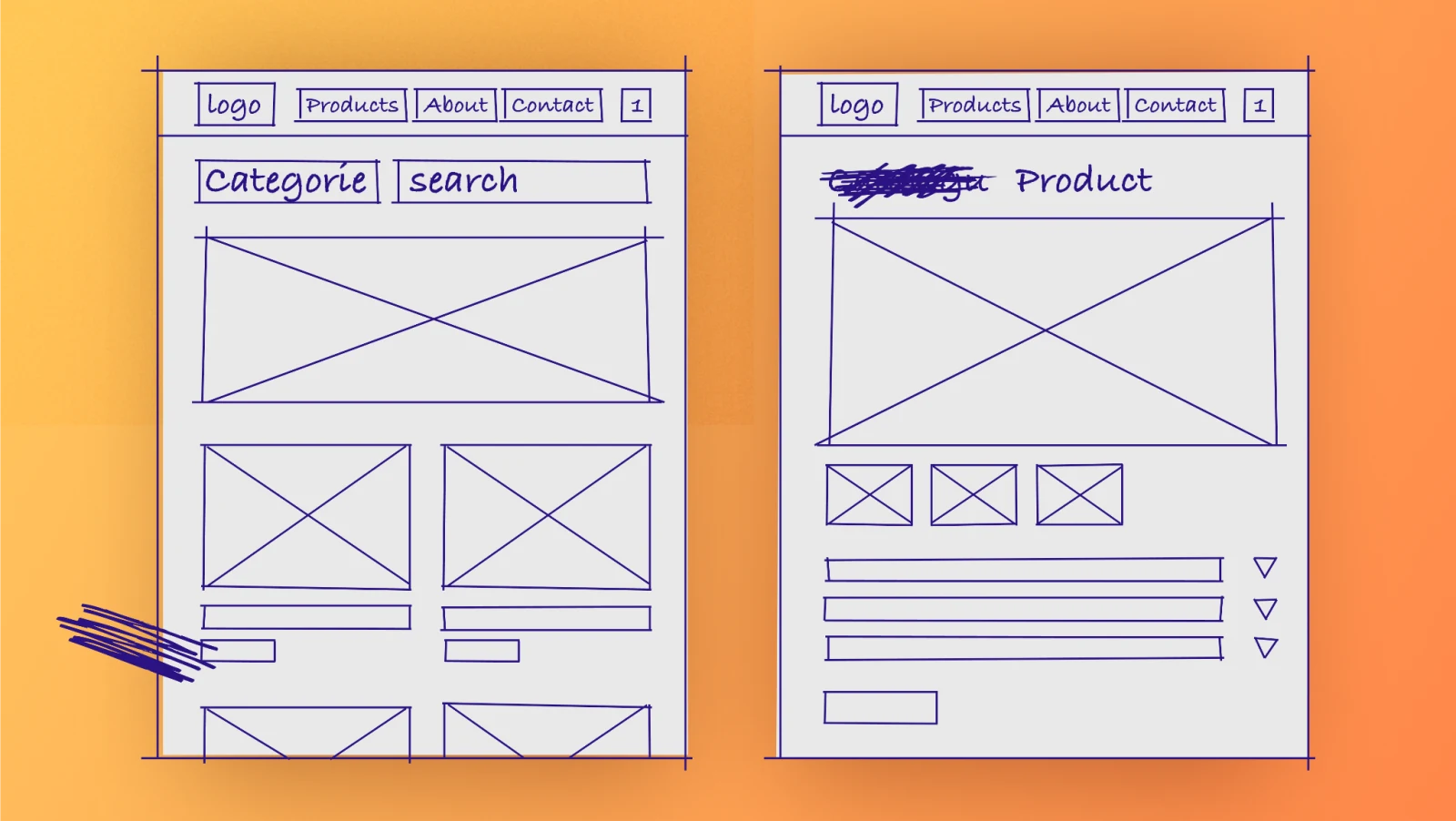
2. Wireframes That Aren’t Throwaway
Low-fidelity wireframes give teams a shared reference point. We test UX flow, layout pacing, and key interactions early—so changes are fast and low-cost. Read How to Wireframe and Prototype like a UX Strategist for more insight on our process.
3. Collaborative Visual Design
Visual design isn't just about color and typography—it's about clarity. Our team works in tandem with brand stakeholders to ensure that every page design reflects user intent and brand storytelling.
4. Component-Based Webflow Builds
Once designs are approved, we move into structured, scalable development in Webflow. Our builds use reusable components, built for speed and easy updates, so your team can ship faster next time.
Real Example: UX in Action for Fast-Moving Teams
When we partnered with Autotrader, their internal team was launching new content at a rapid clip—but their site couldn’t keep up. Pages were inconsistent. Design QA took too long. Updating the layout required touching too many elements.
We stepped in with a modular UX framework:
- Created layout primitives for faster content creation
- Introduced consistent page templates in Webflow
- Built an internal guide so their team could scale content confidently
You can explore more UX-driven case studies here.

Good UX Doesn’t Slow You Down—It Speeds You Up
There's a misconception that UX adds friction. In reality, the opposite is true: it removes the roadblocks that slow teams down. A well-defined UX process eliminates ambiguity, sets clear expectations, and enables teams to make better decisions faster.
Whether you're working with an in-house team or a Webflow agency, investing in UX is the move that pays off across every sprint.
Need a UX partner who moves at your speed? Explore our recent work and see how we help brands build faster—without losing focus.