
When you run a small business, there are lots of decisions to make, some without very much useful information. For example, you might know what you sold this week, but knowing what you can afford next month is a little unclear. The gap between the two is often where financial mistakes find a footing.
Some mistakes are easy to spot, like that bill you forgot to include in your plans. Others take a little longer to come to the surface. What follows are common small business mistakes that can quietly eat into your profits, even when your sales ledger is looking healthy.
Mixing Personal and Business Finances
You pay a business expense with your personal card because, at the time, it was just easier. Perhaps you decide to cover a household expense from your business account with every intention to sort it out later. Before you know it, you’re trying to unravel months of transactions.
When you mix personal and business funds, it makes it hard to see what the business earns and spends. It also creates a lot more work when you’re preparing your financial records or talking with an accountant.
Have a dedicated business account and be consistent in how you use it. If you have to put in or take out personal money from the business, keep a record at the time. This is much easier than trying to remember what it was all about six months later.
Failing to Create a Business Budget
A budget can sound quite scary, but having one allows you to decide what the business can spend before an attractive opportunity or unexpected bill decides for you.
In the Federal Reserve Banks’ 2025 Small Business Credit Survey, 77% of surveyed employer firms reported challenges from rising costs of goods, services, or wages, increased tariff-related costs, or both. While a budget won’t stop these prices from rising, it will show you sooner when your original plan no longer works. (Source: Federal Reserve Bank)
Start your budget by listing expected income and bills you know are coming. Add estimates for variable costs, tax payments, and occasional expenses such as repairs. You then compare your plan with actual figures each month. If sales are slow or a supplier raises their prices, simply adjust your spending next month rather than blindly following an outdated plan.
Poor Cash Flow Management
The business might have a full order book, but that doesn’t necessarily mean there’s enough money in the bank. If you’ve got wages, materials, and rent to pay for, but your customers are late paying, you can run short of cash.
This is a common mistake among business owners who focus too much on sales totals while overlooking payment dates. Instead, you should look at when money is due to arrive and when it is due to leave.
You can overcome such issues by chasing overdue invoices promptly and making your payment terms clear. Also consider asking for deposits for work that requires a large upfront outlay.
Better cash flow management also includes setting aside some cash for weeks when receipts are lower than usual. How much you put aside depends on your business, but a small amount will give you some wiggle room to cover late payments or urgent expenses.
Underestimating Business Expenses
Following on neatly from cash flow management is not being realistic about business expenses. Big expenses like rent, stock, and salaries are obvious, but it’s easy to overlook smaller costs. These might include card processing fees, software renewals, Google Ads, packaging, insurance, travel, and one-off supplies.
Small purchases like these quickly add up, much like less frequent expenses such as replacing a laptop or paying for an annual subscription. If your financial planning only accounts for obvious monthly bills, you’ll fool yourself into thinking there’s more money available than there is.
If possible, review a full year of business transactions. Group together expenses, including annual and seasonal costs, and marketing costs. When you’re budgeting and setting prices, these will be useful.
Specialists at Inflowave said: “If you’re just starting out, make a list of costs you anticipate paying and revisit the list every few months to see how accurate you’ve been. With the best will in the world, you won’t be able to predict everything; however, it is possible to catch the majority before they become a problem.”
Setting Prices Too Low
It seems like good business sense to set prices low because that’s what attracts customers, right? If you’re not covering your costs, even a busy business will struggle.
Imagine you’re a pest control service provider who charges for the hours spent doing the job but forgets to include prep, customer calls, and revisits. You’re probably working much longer than your quote allows. Product businesses face a similar problem when they don't include all costs, such as packaging, payment fees, and returns.
The best approach is to work out what it costs to deliver a product or service, then decide what margin your business needs. Review prices regularly, just in case costs change. Being the cheapest is not critical for success, especially if customers value your experience, reliability, and care you put into your work.
Neglecting Taxes
Taxes are one of those expenses that are easy to put off when you’re focused on running the business. You might have money in the bank and assume you can deal with the tax bill when it arrives. The problem is that the money may already be needed for something else by then.
Set aside money for taxes as you earn income rather than waiting until a payment is due. Keep track of important tax deadlines and make sure you understand which taxes apply to your business. If you’re unsure about your obligations, speak to an accountant rather than making assumptions.
A CPA is a reliable choice for tax questions because maintaining their license requires regular continuing professional education to keep their knowledge of tax laws and regulations up to date. For example, understanding Texas CPA CPE requirements helps CPAs in Texas meet their state’s education obligations and maintain the expertise needed to provide accurate tax guidance.
Tax planning may not be the most exciting part of running a business, but ignoring it can turn a manageable expense into a serious financial problem.
Taking on Too Much Debt
Debt can be useful when it helps a business invest in something that will generate a return. The problem starts when borrowing becomes a way to cover regular expenses or fill gaps in cash flow.
Before taking on new debt, consider how the repayments will fit into your existing budget. Look at the total cost of borrowing, including interest and fees, rather than focusing only on the monthly payment.
Taking on more debt than the business can comfortably manage can limit your options later. It may leave less money available for hiring, marketing, equipment, or unexpected expenses. Keeping borrowing under control can help prevent financial problems that may contribute to small business failures.
Not Keeping Accurate Financial Records
You don't need to be an accountant to keep useful financial records, but you do need to know where your money is going. Missing receipts, forgotten invoices, and transactions that aren't recorded properly can quickly make it difficult to see how the business is really doing. Using invoice capture software to pull data from supplier invoices automatically cuts down on manual data entry and keeps those records complete.
For businesses that work with international customers or partners, financial documents may need to be shared across different teams and locations. Clear communication helps ensure everyone has the information they need to review payments and transactions. Providing documents in the appropriate language can also make collaboration easier for clients.
At the same time, financial records often contain confidential business information that shouldn't be accessible to everyone. Using secure document sharing can help protect sensitive files while allowing authorized accountants, employees, and stakeholders to access the documents they need.
Keep records of income, expenses, invoices, payments, and other important transactions. Update them regularly rather than leaving everything until the end of the year.
Accurate records also make it easier to spot unusual expenses, prepare financial reports, and give your accountant the information they need. Good record-keeping may seem like an administrative task, but it gives you a much clearer view of your business finances.
Failing to Build an Emergency Fund
Even a well-managed business can have a difficult month. A major piece of equipment might need replacing, a large customer could pay late, or sales could suddenly fall.
An emergency fund gives you some breathing room when something unexpected happens. The amount you need will depend on your business and its regular expenses, but building the fund gradually is better than waiting until you urgently need the money.
Keep this money separate from the funds you use for normal operating expenses. That way, you have a financial buffer available when something genuinely unexpected happens rather than treating it as extra money to spend.
Making Large Purchases Without Planning
Buying new equipment, software, vehicles, or other assets can be necessary as a business grows. However, making a large purchase simply because something looks useful can put unnecessary pressure on your finances.
Before spending a significant amount, consider how the purchase fits into your budget and whether it will generate enough value to justify the cost. Don't forget about related expenses such as maintenance, insurance, installation, or ongoing subscriptions.
It can also help to compare different options and consider whether the purchase needs to happen immediately. Sometimes waiting a few months gives you enough time to build up the cash needed without putting pressure on other parts of the business.
Not Reviewing Financial Performance
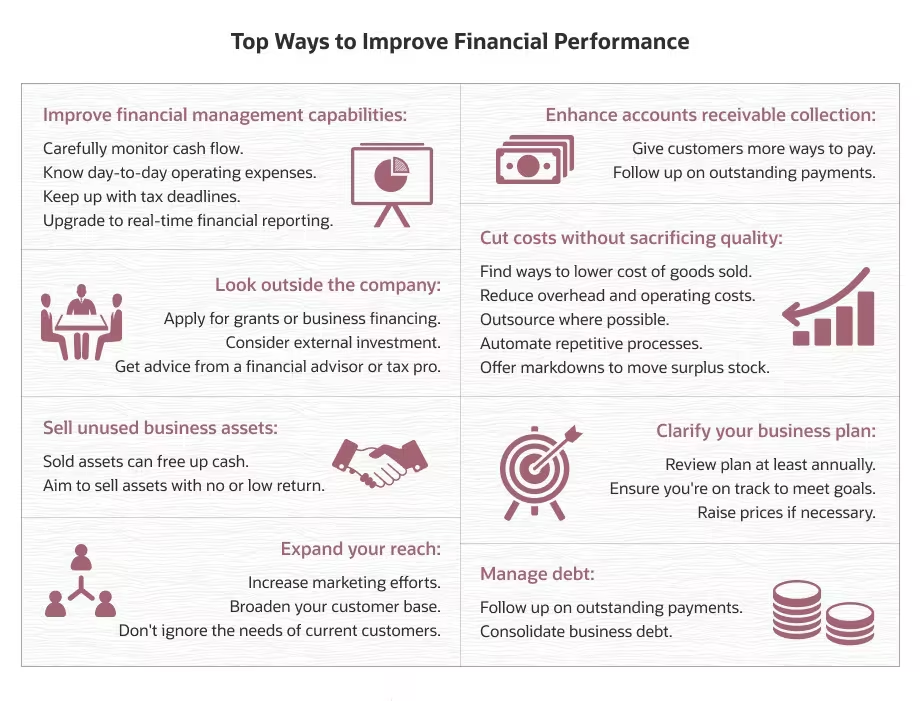
Source: NetSuite
Keeping financial records and creating a budget is only useful if you actually look at the numbers. Some business owners prepare their accounts but rarely take the time to understand what the figures are telling them.
Set aside time each month to review sales, expenses, cash flow, outstanding invoices, and profitability. Compare the results with your budget and look for changes that need attention.
Clear internal communication between the owner and those responsible for spending helps explain budget differences and agree on adjustments before the next review. Strong communication skills can make these conversations more productive by helping people explain concerns clearly, ask the right questions, and reach decisions without unnecessary confusion.
For example, a steady increase in software costs or a drop in profit margins might not be obvious from looking at individual transactions. Regular reviews can help you identify these trends early and make changes before they become bigger problems.
How to Avoid Common Financial Mistakes
Most of the financial problems discussed here are not caused by one major decision. They often develop through mistakes small business owners make repeatedly, such as failing to update a budget, overlooking an expense, or putting off financial reviews.
A few simple habits can make a significant difference. Keep personal and business finances separate, maintain accurate records, plan for taxes, monitor cash flow, and review your financial performance regularly. Set aside money for emergencies and think carefully before taking on debt or making large purchases. Following financial best practices for small businesses can help owners maintain these habits and make more informed decisions about their finances.
You don't need a complicated financial system to stay on top of your business finances. What matters most is consistency. By reviewing the numbers regularly and dealing with small problems early, you can make better decisions and reduce the risk of financial issues becoming much harder to manage.
Wrapping Up
So what do you need to improve your business finances? A perfect forecast is not essential. Instead, begin with a clear view of what belongs to the business, what it spends, and when payments are due. From there, keep a monthly budget and look closely at pricing, as it can reveal where your business is losing money.
The most useful habit a small business owner can have is to review the figures regularly. If you can catch any financial mistakes while they’re still small, you’ll have more options for what to do next.
Cover Image Source: Unsplash