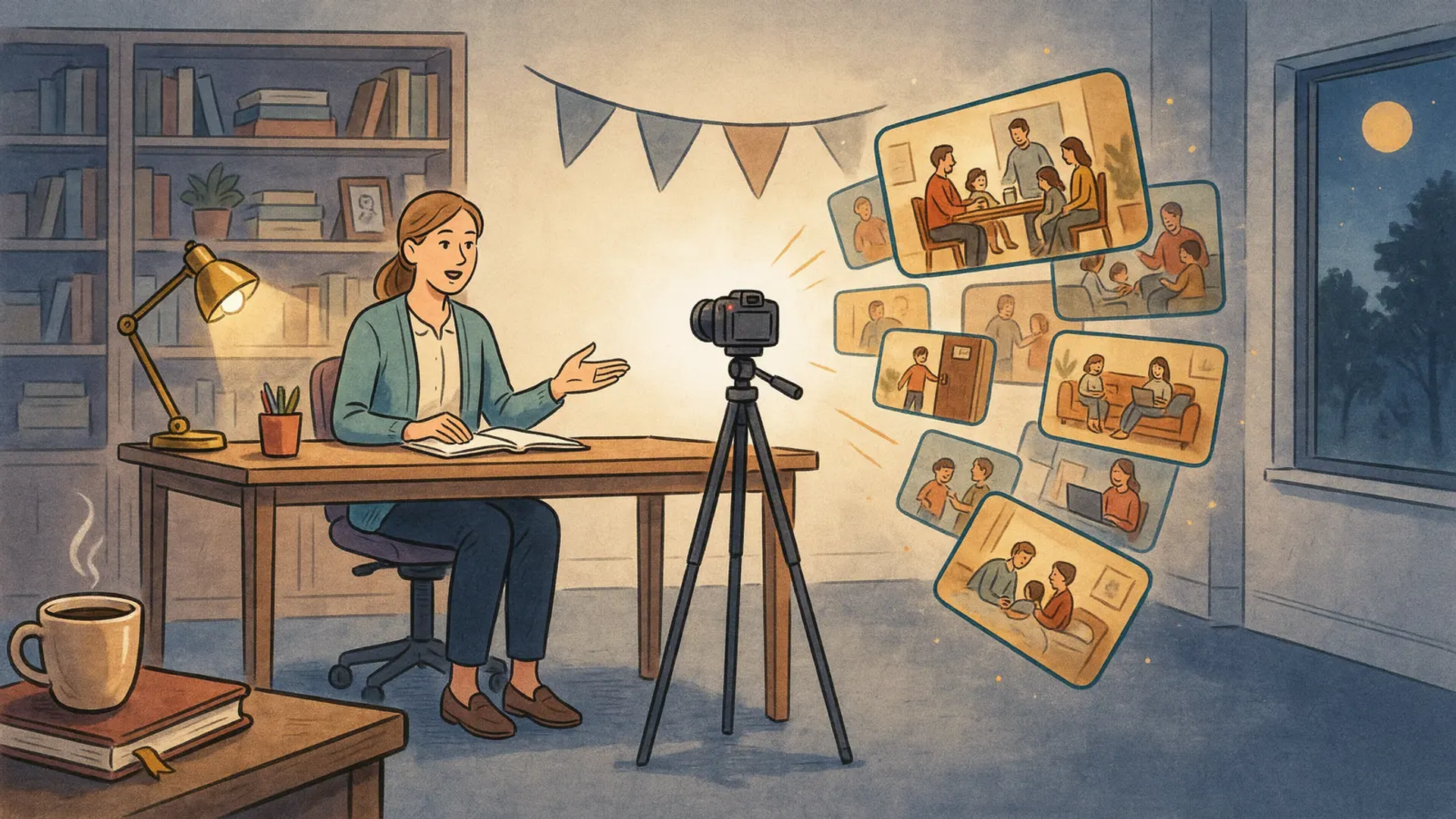
Have you ever posted something great online, heard nothing but crickets, and wondered where everyone went? The digital world in 2026 is louder than ever. People constantly move between TikTok, Instagram, YouTube, and Google. Audiences expect brands to show up everywhere, yet posting the same content on every platform rarely works. That approach leads to burnout and weak engagement. Instead, successful brands build smart strategies that adapt one core story across multiple channels.
This shift reflects the growing age of platform diversification. Relying on one traffic source now feels like balancing on one leg. It may work for a while, but one algorithm change can knock everything over. Recent studies show that 66% of creators plan to expand to new platforms in 2026. They are not leaving their existing audiences. They are building a portfolio across platforms like YouTube, Pinterest, and emerging spaces such as Threads.
For brands, this approach reduces risk and expands reach. Different platforms attract different behaviors and audiences. Someone scrolling Instagram may never watch long YouTube videos. Someone browsing Pinterest might already be ready to buy. Missing these spaces means missing potential customers. In this blog, we will explore how to build a high-impact content strategy that connects multiple platforms while maintaining a consistent brand story.
Learning from the Global Community
No one builds a winning strategy in a silo. The best ideas come from talking to other people who face the same challenges. That is where conferences come in. They are a shortcut to wisdom. Instead of testing a hundred theories alone, a marketer can listen to someone who already did the testing. The Chiang Mai SEO Conference in Thailand, for example, runs from November 9-13, 2026. It brings together SEO entrepreneurs, agency owners, and super affiliates from around the world. The event is known for its intense focus on what actually works. Speakers like Kyle Roof, famous for his "Lorem Ipsum" case study, and Tim Soulo from Ahrefs share insights you cannot find in a blog post. The five-day format includes presentations, workshops, and plenty of networking. Attendees often say the conversations between sessions are just as valuable as the talks. For anyone serious about staying ahead, investing time in events like this pays off. It is a chance to recalibrate and see the bigger picture.
Writing Content That AI Will Cite
Here is a strange new reality. Sometimes, the goal is not just to get a user to click. The goal is to get an AI to cite the brand as a source. When people ask ChatGPT or Google Gemini a question, they often get a summary. That summary pulls from trusted websites. If a brand is not in that summary, it is invisible at the very moment of decision.
To get cited, content must be clear and structured. Experts now talk about optimizing for "information gain" while reducing "cognitive load". That means opening with the answer. No long stories. No fluff. Just the facts up front. Studies show that introductions are cited 43% more often in AI Overviews. So, put the main point in the first paragraph. Use headings that ask direct questions. Answer them immediately after. This structure feeds the AI. It tells the machine, "This page has the answer."
Businesses should also track their "share of voice" in AI answers. Tools now measure how often a brand gets mentioned compared to competitors. This is the new SEO. It is not about ranking tenth on page two. It is about being the one name the AI recommends. To achieve this, a brand must build "topical gravity." It needs a web of interlinked content that proves deep expertise on a subject. This is not a quick fix. It is a long game.
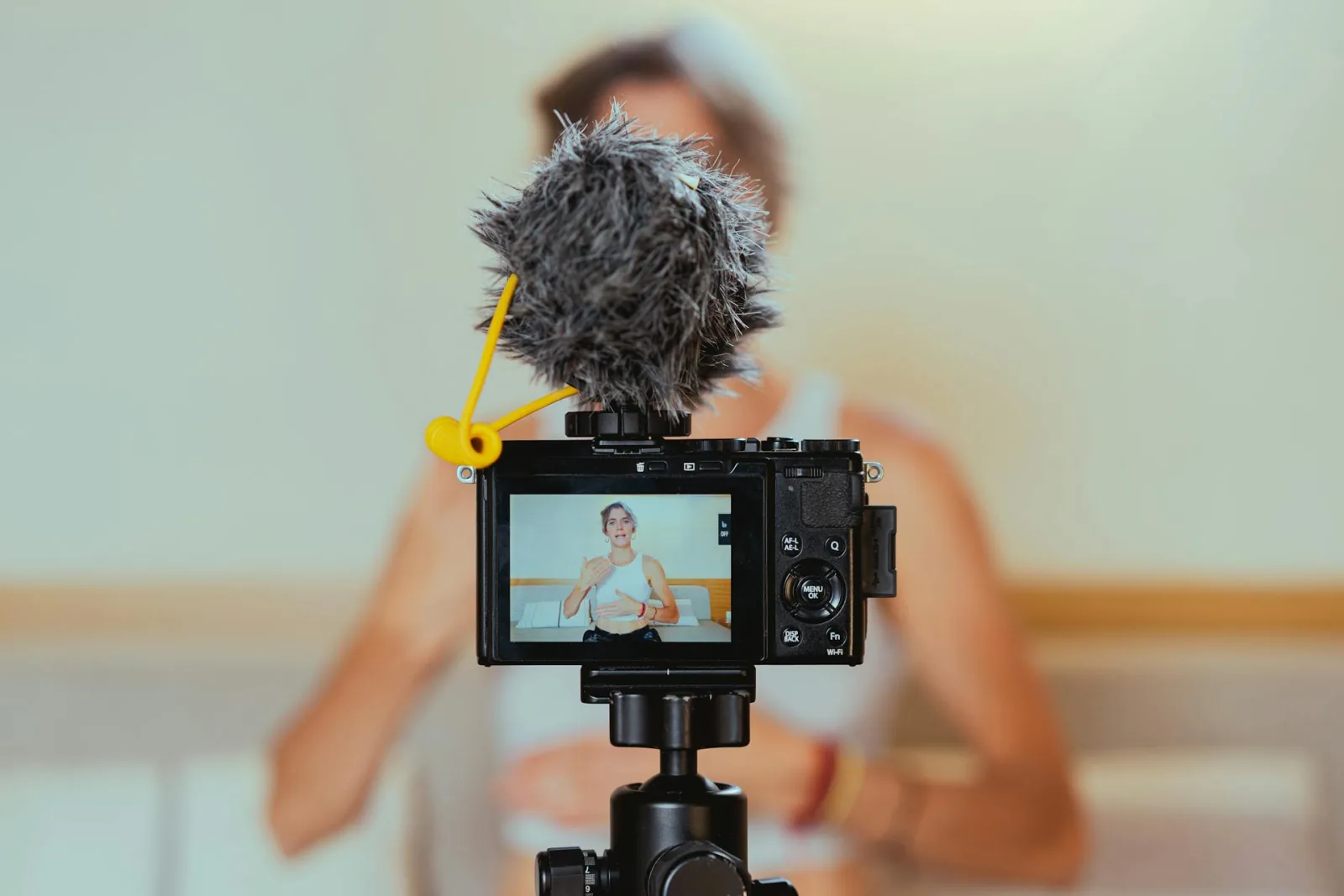
Photo by Los Muertos Crew from Pexels
The Power of Visual and Video Content
Text is not enough anymore. People want to see things. They want to watch things. Video dominates attention spans. For a content strategy to work across platforms, it must include visual elements. This does not mean slapping a stock photo on a blog post. It means creating original graphics, infographics, and short video clips.
The rise of visual search changes the game too. Platforms like Pinterest and Google Lens let users search with cameras. A person can take a picture of a chair and find out where to buy it. Brands need to optimize images for this. That means using descriptive file names and alt text. It also means creating content that is visually distinct. If an image looks generic, AI might ignore it. If it is unique and helpful, it gets pulled into search results and AI answers.
Video also boosts dwell time. That is the time a person spends on a page. When a user watches an embedded video, they stay longer. Search engines notice this. They think, "This page must be good. People are hanging around." So, they rank it higher. Adding a short explainer video to a blog post can make a real difference. It does not have to be a Hollywood production. It just has to be useful.
Building a Cross-Platform Content Ecosystem
A single blog post should not live alone. It should be the center of a small universe. Take that post and turn it into a YouTube video. Chop the video into clips for TikTok and Instagram Reels. Turn the key points into a carousel post for LinkedIn. Use the data from the post to create an infographic for Pinterest.
This is called repurposing. It saves time and reinforces the message. Someone might ignore a blog post but watch a two-minute video. Someone else might scroll past the video but stop on a colorful infographic. By repurposing, the brand meets people where they are. It also builds a web of content that all points back to the main site. This strengthens authority. It tells search engines that this brand owns the topic.
The key is to adapt the format, not just copy and paste. A TikTok video needs to be fast and fun. A LinkedIn post needs to be professional and insightful. A Pinterest pin needs to be aspirational and clear. The message stays the same, but the delivery changes. This takes work, but it is how brands dominate across platforms.
The Takeaway
Building a cross-platform content strategy in 2026 is both harder and more exciting than ever. The old rules are fading. The new rules reward creativity, structure, and adaptability. A brand must write for AI while telling stories for humans. It must show up on TikTok, YouTube, and Pinterest while maintaining a strong website. It must track mentions, not just clicks.
So, take a step back. Look at the current strategy. Is it too dependent on one platform? Is the content structured for AI to read? Are there visuals and videos? If the answer to any of these is no, there is work to do. The digital world will keep changing. But a solid, multi-platform content strategy built on clear, helpful information will always find an audience. Start building it today.
Cover Photo by Markus Winkler from Pexels