
How does it feel when your brand communicates with your audience the way you imagined to deliver delightful experiences?
Well, this is the era of voice. Voice technology enables the creation of human-like experiences that extend beyond visuals and text.
Traditional branding was built on static content like posters, slogans, videos, and webpages. These were written in a way that spoke to the audience.
But today’s audiences expect answers while they are communicating with the voice agent. Real-time AI voice bridges content marketing, UX, and interactive design into one living, speaking layer of brand engagement.
In this article, we will discuss how real-time AI voice is transforming design experiences.
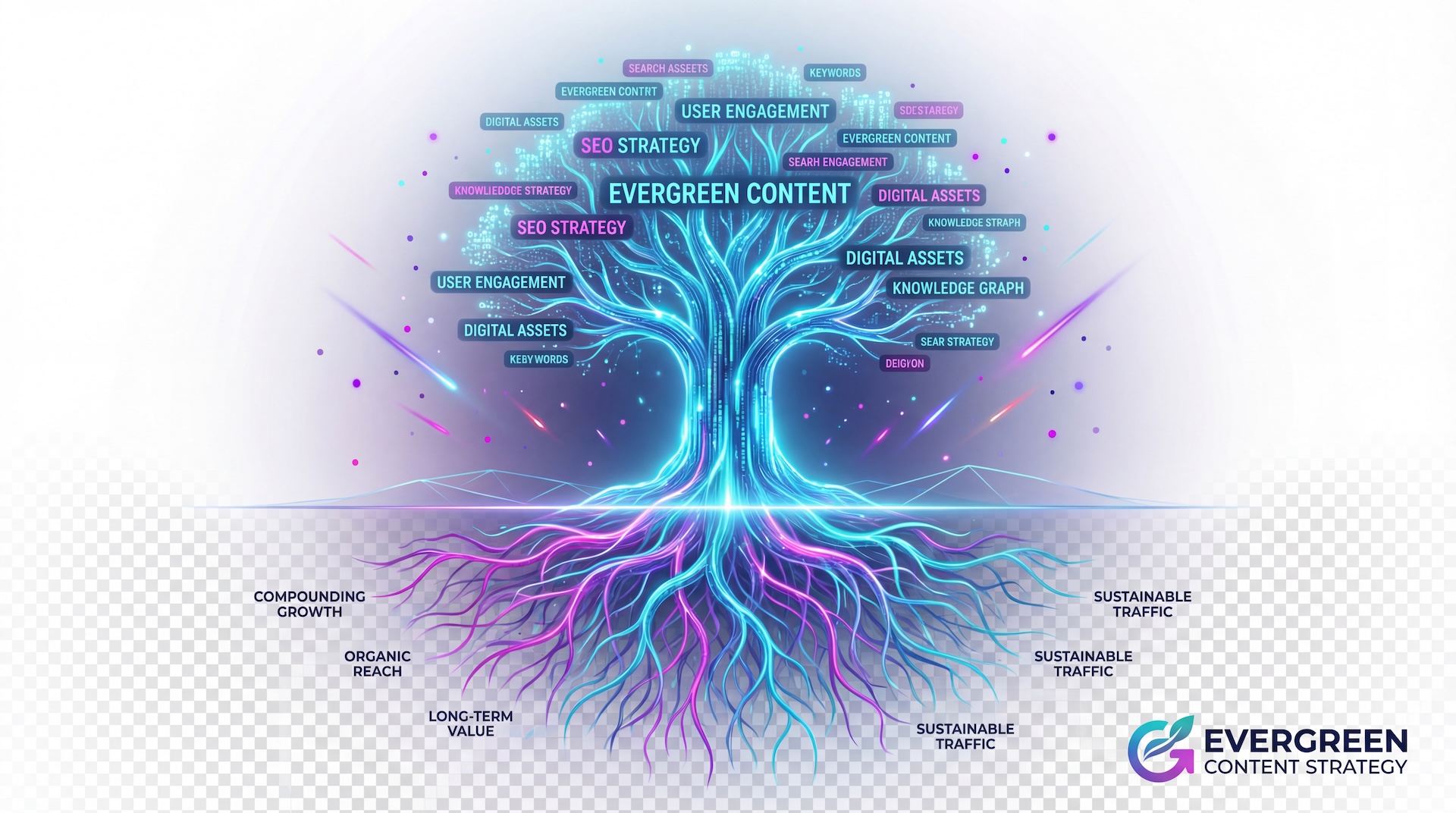
A keyword strategy is your game plan for showing up when people search for stuff related to your business. But here's the thing: most brands get this wrong. They see a trending topic blowing up on Twitter and think "jackpot!"
Then they pump out content chasing that trend, watch their traffic spike for about five minutes, and wonder why nobody's actually buying anything.
Real growth comes from playing the long game. We're talking about the boring stuff that actually works: answering real questions your customers have, creating resources they'll bookmark, and building content that gets better with age. Evergreen content keeps bringing in traffic month after month, especially when you update it.
This guide will show you how to build a keyword strategy that prioritizes long-term demand over short-lived trends, so the content you publish keeps attracting the right people well after the hype dies down.

As small businesses grow, their networks usually grow in pieces. A new workstation here, a cloud service there, maybe a few smart devices added along the way. Most of the time, these changes aren’t planned. They’re made to solve an immediate problem and keep the business moving. Early on, that approach works. Everyone can connect, systems respond quickly, and there’s no obvious reason to change anything. The problems show up later. The network starts feeling slower. Troubleshooting takes longer. When something breaks, it’s harder to tell where the issue started or how far it spreads. For agencies, eCommerce teams, and service-based businesses that rely on uptime and speed, those issues aren’t minor inconveniences. Slow systems affect daily work. Network outages interrupt client delivery. Security incidents can expose systems that were never meant to be accessible in the first place. Traffic segmentation addresses these problems by introducing basic structure into networks that have grown organically. It doesn’t require enterprise hardware or a full redesign. In most cases, it’s about defining boundaries—what should communicate, what shouldn’t, and why. This article explains why traffic segmentation matters for small businesses and how it can be implemented in a way that’s practical, manageable, and scalable.

What’s next for small business AI marketing?
Many industries deploy AI, and this shift is already visible in marketing.
According to a survey, adoption of AI tools among small businesses jumped from 39% in 2024 to 55% in 2025, a 41% surge in just one year.
If you run a small enterprise, that number should make you sit up and ask: Are you ready to ride the wave or risk being left behind?
In this article, we’ll walk through the biggest shifts shaping AI marketing for small businesses by 2026, what they mean for you, and how to prepare for and embrace this change.