Imagine for a moment it's a quiet Monday morning, and you're staring at the latest enrollment numbers for your private school. The pit in your stomach grows as you realize you're not quite where you need to be. Sound familiar? If you're nodding your head, you're not alone. If your responsible for your school admissions, you're constantly juggling the pressures of maintaining academic excellence, satisfying current families, and attracting new students. It's enough to make anyone want to hide under their desk with a bag of pumpkin shaped Reces cups.
But before you raid the cany bowl, take a deep breath. We've got your back.

Written By: Adam Bennett | October 16, 2024
Adam is the president and founder of Cube Creative Design and specializes in private school marketing. Since starting the business in 2005, he has created individual relationships with clients in Western North Carolina and across the United States. He places great value on the needs, expectations, and goals of the client.
In today's competitive landscape, effective marketing is crucial for private schools to attract and retain students. With over 4.6 million students enrolled in private schools nationwide (Source: NCES), schools must employ strategic marketing to stand out, connect with prospective families, and build thriving communities.
The educational landscape is constantly evolving, and so should your marketing strategies. Relying solely on traditional methods like word-of-mouth is no longer enough. Modern, digital-first marketing is key to showcasing your school's unique value and engaging with your target audience.
Crafting a Compelling School Website
Your school's website often gives prospective families the first impression of your institution. In fact, more than 9 out of 10 prospective parents and students say a school's website is influential in their application decision. It's critical that your website accurately represents your mission, values, and offerings.
Consider The Crenshaw Academy, a private school in Orlando, FL, that saw an increase in inquiries after revamping their website with a modern design, intuitive navigation, and compelling content. The Crenshaw Academy's website became a powerful marketing tool by showcasing student life, academic programs, and success stories.

To optimize your school website:
- Conduct keyword research to identify terms parents use in search
- Optimize page titles, meta descriptions, and header tags for target keywords
- Improve site speed and mobile-friendliness for better user experience and SEO
- Create compelling, keyword-rich content that addresses parent questions and concerns
- Build high-quality backlinks from reputable websites to improve domain authority
Leveraging Social Media to Engage Families
Social media platforms offer unparalleled opportunities to connect with prospective and current families. According to a report from the Center for Disease Control (CDC), more than 8 out of 10 parents use social media, with Facebook, Instagram, and YouTube being the most popular.
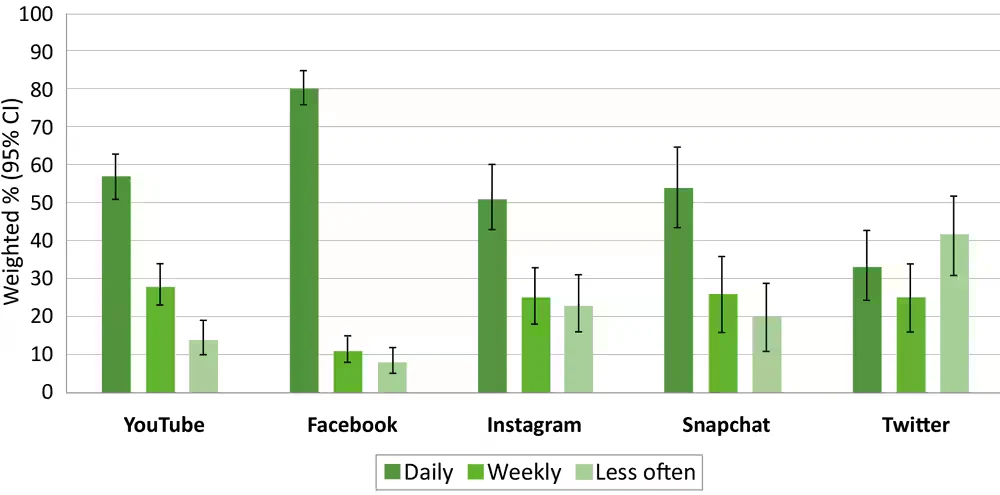
(Source: Center for Disease Control)
To make the most of social media:
- Identify the platforms most used by your target audience
- Post regularly with a mix of informative and entertaining content
- Engage with your community by responding to comments and messages
- Use paid advertising to reach specific demographics and interests
- Encourage families and staff to share school content with their networks
Harnessing the Power of Word-of-Mouth
Despite the rise of digital marketing, word-of-mouth remains a powerful influence. More than 3 out of 4 consumers trust recommendations from people they know more than any advertisement (Source: Nielsen).
Greenfield Academy harnessed this by creating a Parent Ambassador program. They equipped a group of enthusiastic parents to represent the school at community events, share positive experiences on social media, and connect with prospective families. This authentic advocacy helped Greenfield Academy attract more mission-aligned families.
To amplify word-of-mouth marketing:
- Encourage satisfied families to share their experiences with friends and on review sites
- Create shareable content that parents will want to pass along
- Host community events that get families talking about your school
- Incentivize referrals with tuition discounts or exclusive perks
- Showcase testimonials on your website and marketing materials
The Growing Influence of Online Reviews
In the digital age, online reviews heavily influence school choice. More than 8 out of 10 consumers trust online reviews as much as personal recommendations (Source: BrightLocal). And 3 out of 5 families say reviews on school search sites like Niche and GreatSchools impact their enrollment decisions (Source: Niche).
Hope Lutheran School in Shawnee, KS, actively monitored and managed their online reputation. They encouraged satisfied families to leave reviews, promptly addressed any concerns, and showcased glowing testimonials on their website. As a result, they maintained a 4+-star rating on major review sites, which boosted their visibility and credibility.
To harness the power of online reviews:
- Claim your school's profile on major review sites and keep information up-to-date
- Actively monitor your ratings and reviews across platforms
- Respond professionally to all reviews, especially negative ones
- Encourage happy families to share their experiences online
- Share positive testimonials on your website and social media
Crafting Content That Converts
Content marketing costs over 60% less than traditional marketing, generating 3 times as many leads. Creating valuable, relevant content can attract, engage, and convert prospective families.
Greenfield Academy's admissions blog became a go-to resource for parents. Covering topics like the benefits of private education, navigating financial aid, and student success stories, the blog attracted 25% more website visitors. Many of these visitors went on to inquire and apply.
To create content that drives enrollment:
- Identify the questions and concerns of your target audience
- Develop blog posts, videos, eBooks, and other content that addresses those topics
- Optimize content for search engines to attract organic traffic
- Promote content across channels like email, social media, and paid ads
- Include clear calls to action to encourage inquiries and applications
Case Studies
Established Private K-12 School
Doubled Enrollment in Two Years!
Study Timeframe: 4 Years
Education requires a different approach from traditional businesses but is similar enough to use the same techniques to attract traffic, walk "leads" down a conversion path, and close the "sale" on the school. This is called the admissions process, and we are able to implement a system that brings in more potential family information for the school to help sell. By bringing in more qualified traffic to the website, offering as many answers as possible about the school, and offering an easy way to book a school tour, families have an easier onramp into a school's admissions process.
Natural Keyword Ranking
Before Cube SEO: 357 Ranking Keywords (5 top 10)
4 Years into SEO Campaign: 667 Keywords (47 top 10)
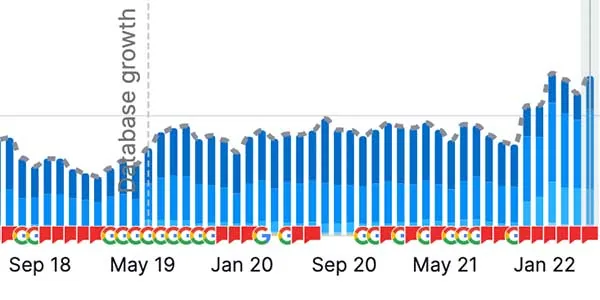
Web Site Organic Traffic
Before Cube SEO: 253 Monthly visitors
4 Years into SEO Campaign: 1,100 Monthly visitors

From the Client:
"The team at Cube Creative transformed our online admissions system, created a website that is found online by potential parents, and helped us retain and sign up more families than ever before with traditional marketing like TV ads, billboards, and costly postcards that are hard to track. Thank you for a well-thought-out marketing strategy that changes with us as our admissions needs change."
New Local Private School
10-Month Extreme Growth
Study Timeframe: 10 Months
Natural Keyword Ranking
10 Months into SEO Campaign: 199 Keywords (19 top 10)

Web Site Organic Traffic
10 Months into SEO Campaign: 487 Monthly visitors

Online Private School
2-year Long-Term Growth
Study Timeframe: 2 years
Natural Keyword Ranking
Before Cube SEO: 87 Ranking Keywords (17 top 10)
Two Years into SEO Campaign: 419 Keywords (55 top 10)

Web Site Organic Traffic
Before Cube SEO: 280 Monthly visitors
Two Years into SEO Campaign: 643 Monthly visitors

Take Your School Marketing to the Next Level
Effective school marketing is less about persuasion and more about building relationships. By showcasing your school's mission and values through compelling content, engaging social media, and authentic word-of-mouth, you can attract families who will thrive in your community.
Ready to modernize your school's marketing and boost enrollment? Contact us today for a free consultation. Our team of school marketing experts will craft a custom strategy to help you stand out, connect with your audience, and achieve your goals.
With a data-driven, digital-first marketing approach, your school can build a robust enrollment pipeline and secure a bright future.
Boost Visibility with Search Engine Optimization
Over 4 in 5 online searches begin with an unbranded term rather than a specific school name. If your school doesn't appear in these general searches, you're missing out on valuable traffic and potential applicants.
Search engine optimization (SEO) is optimizing your website to rank higher in search results for relevant keywords. When done effectively, SEO can drive more qualified traffic, improve visibility, and boost enrollment.
Consider these statistics:
- Organic search drives over half of all website traffic
- The top 3 Google search results get over 3 in 5 of all clicks
- Only 0.63% of Google searchers click results on the second page
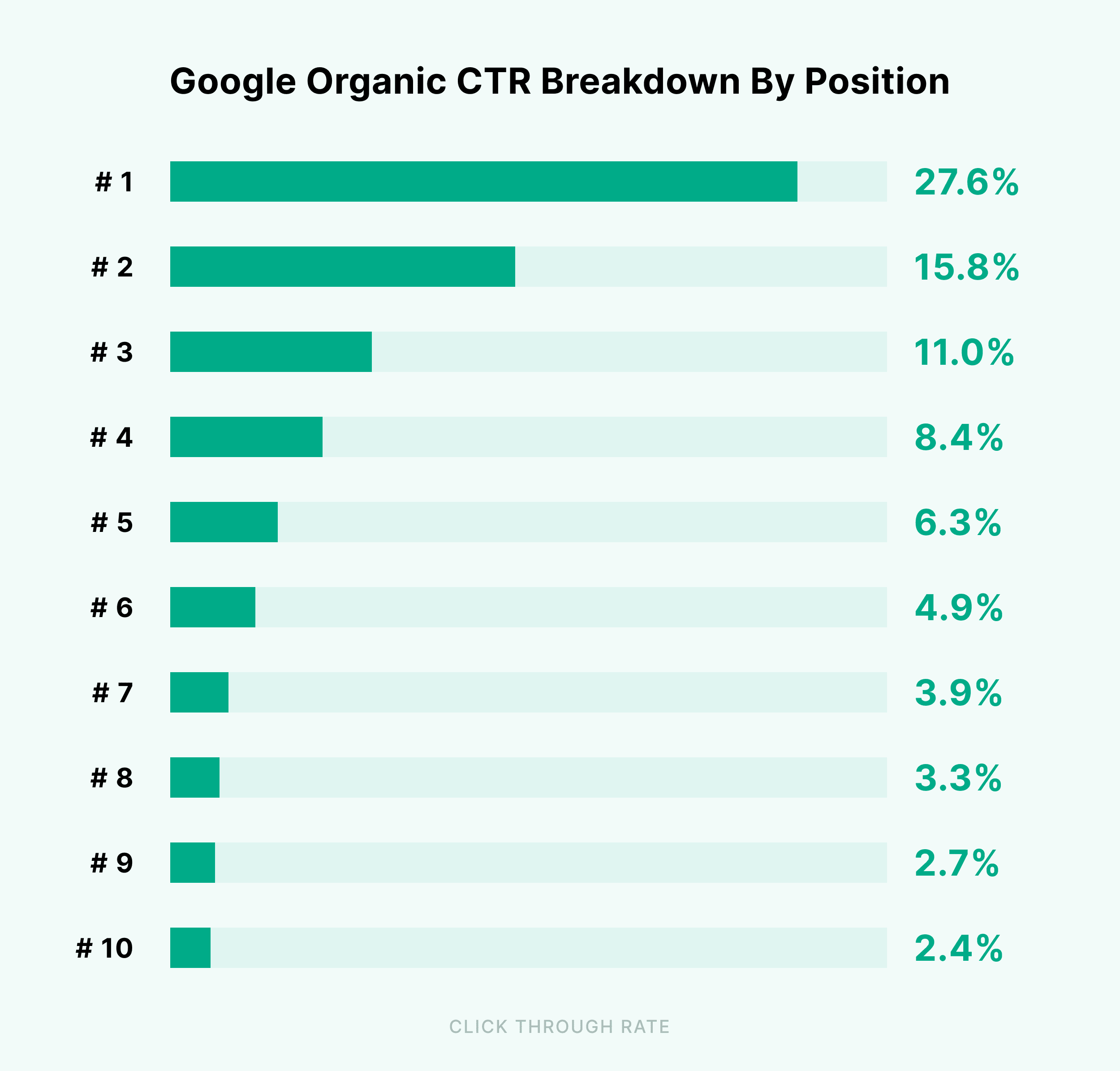
(Source: Backlinko)
To improve your school's SEO:
- Research keywords that prospective families use in search
- Optimize your site's technical elements like page speed and mobile-friendliness
- Create compelling, keyword-rich content that answers searchers' questions
- Build high-quality backlinks from reputable websites in your niche
- Claim and optimize your school's Google My Business listing
Ignite Achievement Academy in Charlotte, NC, implemented an SEO strategy targeting terms like "special needs private school near me" and "top autism school in Charlotte." By optimizing their site and creating relevant content around these topics, they saw a 200% increase in organic traffic and a 75% boost in inquiries from search.

Engage Parents with Compelling Email Campaigns
Email marketing is a highly effective way to nurture leads, engage current families, and drive conversions. In fact, email generates $42 for every $1 spent, a 4,200% ROI. (Source: Hubspot).
To make the most of email marketing:
- Segment your lists by interests, grade level, or enrollment stage for more relevant messaging
- Personalize subject lines and content to increase open and click-through rates
- Provide value with each email, whether it's an informative article, exciting update, or exclusive offer
- Optimize for mobile, as 70% of consumers delete poorly-formatted emails within 3 seconds (Source: Campaign Monitor)
- Include clear calls-to-action to drive your desired response, like scheduling a tour or starting an application
Greenfield Academy sends a monthly newsletter featuring student and faculty spotlights, upcoming events, and helpful resources. They also have automated welcome and lead nurturing campaigns. With an average open rate of 35% and a click-through rate of 8%, these emails keep the school top-of-mind and drive steady enrollment growth.
Showcase Your School's Value with Compelling Visuals
Humans process visuals 60,000 times faster than text. In a world of short attention spans, eye-catching visuals are essential for grabbing attention and communicating your message.
Use high-quality photos and videos across your website and marketing channels to:
- Showcase your campus, facilities, and programs
- Highlight student life and school culture
- Provide virtual tours for prospective families
- Share student and faculty achievements
- Evoke emotion and build human connection
Resurrection Lutheran School in Cary, NC, hired a professional photographer to capture the joy and engagement of students in the classroom, on the athletic field, and around campus. They also created a series of short student and faculty profile videos. By featuring these visuals prominently on their website and social media, they saw a 40% increase in engagement and a 20% boost in applications.
Partner with Trusted School Marketing Experts
Navigating the complex world of school marketing can be overwhelming, especially for small teams with limited resources. Partnering with a trusted agency that specializes in school marketing can provide the expertise, strategy, and support you need to achieve your enrollment goals.
Look for an agency with:
- Deep experience working with private schools to boost enrollment
- A track record of measurable results and client success stories
- A comprehensive suite of services to meet your needs, from branding to web design to digital advertising
- A collaborative, transparent approach that feels like an extension of your team
When Greenfield Academy partnered with a school marketing agency, they were able to develop a cohesive, multi-channel strategy that maximized their budget and delivered results. With the agency's guidance, they refreshed their brand messaging, launched a new website, and ran targeted digital ad campaigns. As a result, they increased enrollment by 20% in just one year.
Embrace the Future of School Marketing
As the educational landscape continues to evolve, so must your school's marketing strategies. By embracing digital channels, data-driven decisions, and authentic storytelling, you can build lasting connections with prospective families and secure a strong future for your school.
Remember, effective school marketing is about highlighting your unique value, helping families envision a brighter future for their children, and cultivating a vibrant community of lifelong learners. With the right mix of strategy, creativity, and heart, you can ensure your school's story reaches the right audiences and inspires them to take action.
The road ahead is bright for schools that adapt and innovate in their marketing. By staying agile, experimenting with new tactics, and always putting your school's mission first, you can weather any challenge and emerge stronger than ever.
So dream big, stay curious, and never stop sharing the transformative power of a great education. The families you'll impact and the leaders you'll shape are counting on you.
Measure, Analyze, and Optimize Your Marketing Efforts
Effective school marketing is an ongoing process of testing, learning, and improving. By regularly measuring and analyzing your efforts, you can identify what's working what's not, and where to allocate your resources for maximum impact.
Key metrics to track include:
- Website traffic and engagement (sessions, pages per session, bounce rate, etc.)
- Inquiry and application volume and conversion rates
- Social media followers, engagement, and click-through rates
- Email open, click-through, and conversion rates
- SEO rankings and organic search traffic
- Ad impressions, clicks, and conversions
- Enrollment and retention rates
Use tools like Google Analytics, social media analytics, and your enrollment management system to gather and visualize this data. Look for trends, patterns, and opportunities for optimization.
For example, if you notice a high bounce rate on a key page of your website, that may signal a need to improve the content or user experience. If a certain social media post gets unusually high engagement, consider promoting it to a wider audience or creating similar content in the future.
Greenfield Academy holds monthly marketing meetings to review its data dashboard and discuss insights. It uses this information to continually refine its tactics, messaging, and creativity. As a result, it has steadily improved its key metrics and gotten more return on its marketing investments over time.
Stay Ahead of the Curve with Ongoing Learning and Professional Development
The world of school marketing is always evolving, with new technologies, platforms, and best practices emerging all the time. To stay competitive and effective, it's essential to commit to ongoing learning and professional development.
By staying curious, open-minded, and proactive about your own learning and growth, you can position yourself and your school for long-term marketing success.
Celebrate Your Successes and Keep Improving
As you implement these school marketing strategies and start seeing results, take time to celebrate your wins along the way. Recognize the hard work of your team, share your successes with leadership and the wider school community, and use the momentum to keep pushing forward.
At the same time, remember that effective marketing is a journey, not a destination. There will always be new challenges to face, new audiences to reach, and new goals to strive for.
By staying agile, data-driven, and focused on your school's mission, you can navigate whatever comes your way and continue to grow and thrive.
The keys to school marketing success are not secrets or shortcuts but timeless principles: know your audience, tell your story, provide value, foster community, and always keep learning.
With these guideposts and the right tools and tactics, you have the power to shape your school's future and change lives for the better. So keep going, keep growing, and know that your work matters deeply.
Here's to your school's continued success and to the bright futures you're helping to build, one family at a time.
Ready to elevate your school's marketing and enrollment? Let's connect.
Written By: Adam Bennett | October 14, 2024
Adam is the president and founder of Cube Creative Design and specializes in private school marketing. Since starting the business in 2005, he has created individual relationships with clients in Western North Carolina and across the United States. He places great value on the needs, expectations, and goals of the client.

Finding the right school foguide-to-google-analytics-private-schoolsr a child is a significant decision for any parent, especially today. For many families, a private school offers a blend of academics, community, and values. For today’s modern parents, the search often begins online. This is where a well-crafted private school website is important. It acts as a virtual doorway to a school's ethos. A private school website needs to go beyond just presenting facts; it needs to capture the essence of the institution.
Written By: Adam Bennett | October 14, 2024
Adam is the president and founder of Cube Creative Design and specializes in private school marketing. Since starting the business in 2005, he has created individual relationships with clients in Western North Carolina and across the United States. He places great value on the needs, expectations, and goals of the client.

Attracting students to your classrooms hinges on having solid private school marketing ideas. But where do you start? The education landscape is changing - gone are the days when families simply enrolled their kids in the same school for generations. Today’s parents have endless choices and are savvy about researching them.
This means private schools are facing stiffer competition than ever. It's not just about showcasing excellent academics. It's about creating a buzz, differentiating your brand, and directly addressing what families want in a rapidly changing world.
Written By: Adam Bennett | October 14, 2024
Adam is the president and founder of Cube Creative Design and specializes in private school marketing. Since starting the business in 2005, he has created individual relationships with clients in Western North Carolina and across the United States. He places great value on the needs, expectations, and goals of the client.
As a private school administrator, you know that a thriving student body is the heart of your institution. But in today’s competitive educational landscape, attracting students to your school is no easy feat. You're competing with other private schools, charter schools, magnet programs, and the rise of homeschooling—not to mention the ever-improving public schools down the street. It's like trying to sell ice in the Arctic—challenging but not impossible. This requires careful planning, effective marketing, and an understanding of what today’s parents and students seek. From my experience working with schools, I've seen firsthand how the right strategies can make a significant difference. Let's dive into some creative strategies for how to attract more students to your school, ensuring a bright future for your institution.
Written By: Adam Bennett | October 07, 2024
Adam is the president and founder of Cube Creative Design and specializes in private school marketing. Since starting the business in 2005, he has created individual relationships with clients in Western North Carolina and across the United States. He places great value on the needs, expectations, and goals of the client.

The competition in the private school sector can be fierce, and attracting new students is a constant challenge. As schools fight for a limited pool of qualified applicants, it’s crucial to have a reliable system to guide prospective families from initial awareness to enrollment. This is where a strong private school enrollment funnel comes in. But this isn't about getting more inquiries—it’s about crafting a journey that resonates with your ideal families and compels them to choose your institution. To build an enrollment funnel that delivers, we must understand how it operates at every stage and adapts to parent expectations.
Parents today are more informed than ever. They conduct thorough research online before contacting a school directly. This makes your school website crucial and demands an updated recruitment strategy. Your website should also highlight student success, as this is a major factor in the decision-making process.
Written By: Adam Bennett | October 07, 2024
Adam is the president and founder of Cube Creative Design and specializes in private school marketing. Since starting the business in 2005, he has created individual relationships with clients in Western North Carolina and across the United States. He places great value on the needs, expectations, and goals of the client.

Positive school culture is a complex idea that can significantly influence a school’s success. But what does it truly mean, and why does it matter so much? Positive school culture goes beyond simply following rules. It's about fostering a vibrant environment where students, teachers, and staff feel a deep sense of belonging, trust, and respect for each other.
Imagine a school buzzing with enthusiasm where students eagerly participate in class discussions. Teachers are passionate about nurturing their students’ love for learning. That’s the power of a positive school culture. In a positive school environment, students are more likely to thrive academically, socially, and emotionally.
Written By: Adam Bennett | October 02, 2024
Adam is the president and founder of Cube Creative Design and specializes in private school marketing. Since starting the business in 2005, he has created individual relationships with clients in Western North Carolina and across the United States. He places great value on the needs, expectations, and goals of the client.
Your school's website is more than just an online brochure—it's the virtual front door to your institution. A strong online presence has become crucial for private schools looking to attract prospective families and increase enrollment.
Consider Greenfield Academy, a fictional but typical private school. Like many educational institutions, Greenfield once relied heavily on word-of-mouth recommendations and printed materials to reach potential students. However, they've noticed a significant shift in how parents research and choose schools for their children in recent years.
Hard data back this shift. A study by GreatSchools found that 52% of parents look up a school's academic standing or reputation online when researching schools. But it doesn't stop there. According to a survey by Niche, one out of every four parents turns to Google when starting their school search, and nearly the same number rely on search and review websites.
Even more telling is the impact of school websites on final enrollment decisions. Niche's survey revealed that school websites are the most influential engagement tool, swaying decisions for as much as 54% of parents. This surpasses even in-person school visits, which influence 48% of decisions.
These statistics paint a clear picture: in the digital age, your school's website is often the first—and potentially most impactful—interaction a prospective family will have with your institution. It's your chance to make a stellar first impression, showcase your school's unique offerings, and begin building trust with potential students and their families.
But here's the million-dollar question: Is your school's website up to the task? Is it effectively serving as your digital front door, welcoming visitors and guiding them toward enrollment? Or is it more like a rusty gate, creaking on its hinges and potentially turning visitors away?
In this post, we'll explore why managing your school's website professionally is a luxury and necessary in today's competitive educational landscape. We'll delve into the risks of relying on volunteer efforts and the benefits of professional web development and provide actionable insights to help you elevate your school's online presence.
Let's begin by examining some common pitfalls in school website management, using our fictional Greenfield Academy as a guide. Their journey might illuminate the path forward for your K-12 Private School.
The Risks of Using a Volunteer Parent
At Greenfield Academy, like many schools, the idea of having a tech-savvy parent volunteer manage the website seemed like a win-win situation. It would save money and involve the community. However, as time passed, several challenges emerged that highlighted the risks of this approach.
1. Lack of Experience
- Technical Skills: Most parents, despite their best intentions, may not possess the necessary skills in web design, coding, or SEO. This can lead to a poorly designed website that fails to showcase your school's strengths effectively.
- Time Constraints: Parents often juggle multiple commitments. At Greenfield Academy, their volunteer web manager, a parent of two, found it increasingly difficult to keep up with website updates alongside work and family responsibilities. This led to inconsistent updates and outdated information, frustrating prospective families seeking current information.
2. Inconsistent Messaging
- Branding Issues: Volunteer-driven content can lead to a diluted school message, confusing visitors about the school's values and mission. Greenfield Academy found that its website began to lose its coherent voice, with different sections reflecting different writing styles and tones.
- Quality Control: Lack of oversight can result in typos, misinformation, or outdated content, potentially damaging the school's reputation. In one instance, an outdated tuition fee structure remained on Greenfield's website for months, confusing prospective parents.
3. User Experience Challenges
- Navigation Problems: An untrained person might create a confusing site layout, making it difficult for visitors to find the necessary information. Greenfield's volunteer-managed website became a maze of poorly organized information, with important details buried in obscure corners of the site.
- Mobile Responsiveness: A mobile-friendly website is essential for parents and students to easily access information on the go. Unfortunately, Greenfield's website wasn't optimized for mobile devices, leading to a frustrating experience for many users.
4. Security Concerns
- Data Protection: Improperly managed websites risk student and staff data security, potentially compromising sensitive information. This is a critical concern in an era where data privacy is paramount.
- Lack of Updates: Neglecting regular software and security updates can lead to vulnerabilities, making the website an easy target for hackers. Greenfield narrowly avoided a security breach due to an outdated plugin, highlighting the importance of regular maintenance.
These challenges underscore why relying on a volunteer parent for your school website, while well-intentioned, can be risky. The GreatSchools study showed that 52% of parents look up a school's academic standing or reputation online when researching schools. Can you afford to risk making a poor first impression?
Moreover, according to Niche, school websites are the most influential engagement tool in final enrollment decisions, swaying as much as 54% of parents. This statistic alone emphasizes your website's critical role in attracting and converting prospective families.
Why Your IT Staff or Computer Teacher Shouldn't Be Your Webmaster
After realizing the limitations of a volunteer parent-managed website, Greenfield Academy briefly considered assigning the task to their IT department or computer science teacher. While this might seem logical—after all, websites are technology, right?—it quickly became clear that this approach had its own challenges.
Your Website is a Marketing Tool, Not Just a Tech Project
It's crucial to understand that your school's website, while powered by technology, is fundamentally a marketing and communication tool. Here's why having your IT staff or computer teacher create and manage your website might not be the best approach:
- Marketing Expertise: Your IT staff or computer teacher may be technology experts, but they might not have the marketing and communication skills necessary to showcase your school's unique value proposition effectively. Remember, according to the Niche survey, school websites influence 54% of final enrollment decisions. Your website needs to do more than just function—it needs to persuade and engage.
- User Experience Design: Creating an intuitive, user-friendly website requires more than coding skills. It requires understanding user behavior, design principles, and creating a journey that guides prospective parents toward enrollment. This specialized skill goes beyond general IT or computer science knowledge.
- Content Strategy: An effective school website needs a coherent content strategy. This includes knowing what information to prioritize, how to structure it, and how to write compelling copy that resonates with your target audience. These are skills more aligned with marketing and communications than with IT.
- Brand Consistency: Your website should seamlessly extend your school's brand. While skilled in their areas, IT professionals or computer teachers may not have the expertise to ensure that every element of the website—from color schemes to messaging—aligns with your school's brand guidelines.
- SEO and Digital Marketing: Optimizing your website for search engines and integrating it with other digital marketing efforts requires specialized knowledge. While your IT staff might be able to make your site function well, they may not have the expertise to make it visible and effective in the broader digital landscape.
- Time and Focus: Your IT staff and teachers already have crucial roles in your school. Adding website management to their responsibilities could detract from their primary duties, potentially impacting both the quality of the website and their main areas of responsibility.
At Greenfield Academy, they quickly realized that while their IT department could handle the technical aspects of hosting and maintaining a website, they couldn't create a compelling online presence that would effectively attract and engage prospective families.
This realization led them to consider a more holistic approach to their web presence that balanced technical expertise with marketing savvy. In the next section, we'll explore the value a professional web developer, focusing on technology and marketing, can bring to your school's online presence.
The Value of a Professional Web Developer
After facing numerous challenges with their volunteer-managed website, Greenfield Academy invested in a professional web developer. The remarkable transformation highlighted the significant value that professional expertise brings to school website management.
Let's explore the key benefits of working with a professional web developer:
1. Expertise and Specialization
- Design and Functionality: Professionals understand user experience and create visually appealing and functional websites. When Greenfield Academy hired a professional, its website was transformed from a cluttered, confusing space to an intuitive, attractive platform that effectively showcased the school's strengths.
- SEO and Visibility: Search engine optimization helps potential families find the school online. With professional management, Greenfield saw a significant increase in search engine rankings. This aligns with the Niche survey finding that 1 out of 4 parents use Google when searching for schools, making visibility crucial.
2. Consistency and Reliability
- Regular Maintenance: Professionals provide ongoing support and updates to keep the website fresh and relevant. Greenfield is no longer worried about outdated information on its site, as its web developer ensures regular updates and maintenance.
- Brand Cohesion: A professional ensures the website aligns with the school's overall branding and messaging. Greenfield's website now consistently reflected its values and mission across all pages, creating a cohesive and impactful online presence.
3. Focus on Core Values
- Educational Focus: Professional web management allows staff to focus on education rather than technical issues. Greenfield's administrators and teachers could redirect their energy from website concerns to improving educational outcomes.
- Community Trust: A well-managed website reflects the professionalism and dedication of the school as a whole. Greenfield noticed increased positive feedback from current and prospective families about their online presence.
The impact of these improvements was significant. Remember, the Niche survey found that school websites are the most influential engagement tool in final enrollment decisions, swaying as much as 54% of parents. Greenfield Academy effectively capitalized on this crucial touchpoint in the enrollment journey by investing in a professional web developer.
Moreover, a professionally managed website allowed Greenfield to leverage other digital channels better. The EdChoice survey found that parents also use social media to evaluate schools, with 3 out of 10 using Facebook, 2 out of 10 going to Instagram, and 1 out of 10 tuning into YouTube. Greenfield's improved website was a solid foundation for its social media strategy, ensuring consistency across all platforms.
Perhaps most importantly, the professional web developer addressed the security concerns that had been a constant worry with the volunteer-managed site. With regular updates and proper security measures, Greenfield could assure parents that their data was protected, building trust and credibility.
The transformation at Greenfield Academy demonstrates that while the initial cost of professional web development may seem high, the return on investment in increased enrollment, improved community trust, and enhanced online presence is substantial. In today's digital-first world, can your school afford not to put its best foot forward online?
Conclusion
In today's digital age, your school's website is more than just an online brochure—it's your digital front door, often providing the first impression for prospective families. As we've seen through the journey of Greenfield Academy, relying on volunteer efforts, while well-intentioned, can lead to significant challenges in website management.
From inconsistent messaging and outdated information to potential security risks, the pitfalls of an amateur-managed website can have far-reaching consequences. These issues are particularly critical when we consider that, according to the GreatSchools study, 52% of parents research a school's reputation online, and the Niche survey found that school websites influence 54% of final enrollment decisions.
On the other hand, investing in professional web development brings a host of benefits:
- Expertise in design and functionality
- Improved search engine visibility
- Consistent branding and messaging
- Regular maintenance and updates
- Enhanced security measures
These advantages create a better user experience for prospective and current families and free up your staff to focus on what they do best—providing quality education.
Is it time to examine your school's online presence critically? If so, here are some steps you can take today:
- Audit Your Current Website: Take a fresh look at your school's website. Is it easy to navigate? Is the information up-to-date? Does it reflect your school's values and strengths? Try to view it through the eyes of a prospective parent.
- Check Mobile Responsiveness: With many parents browsing on the go, ensure your website is mobile-friendly. If it's not, this should be a priority for improvement.
- Assess Your Security: When was your website's security last updated? If you're unsure, it's time for a thorough security check.
- Consider Professional Help: If you've relied on volunteer efforts, consider the value a professional web developer could bring to your school's online presence.
- Share Your Experience: We'd love to hear about your school's website journey. What challenges have you faced? If you've switched to professional management, what benefits have you seen?
Remember, in the digital age, your website is often the first interaction a prospective family has with your school. Make sure it's making the right impression.
Need help elevating your school's digital presence? Don't hesitate to reach out. Together, we can ensure your school's website is not just a digital brochure but a powerful tool for attracting and engaging prospective families.
Written By: Adam Bennett | September 30, 2024
Adam is the president and founder of Cube Creative Design and specializes in private school marketing. Since starting the business in 2005, he has created individual relationships with clients in Western North Carolina and across the United States. He places great value on the needs, expectations, and goals of the client.

In the competitive landscape of private K-12 education, effectively managing relationships with students, parents, and staff is crucial for success. Customer Relationship Management (CRM) systems are powerful tools that revolutionize how private schools operate. Let's explore in depth the myriad benefits of implementing a CRM in the private K-12 education space.
Written By: Adam Bennett | September 25, 2024
Adam is the president and founder of Cube Creative Design and specializes in private school marketing. Since starting the business in 2005, he has created individual relationships with clients in Western North Carolina and across the United States. He places great value on the needs, expectations, and goals of the client.
Are you lying awake at night, tossing and turning as you worry about your school's dwindling admissions numbers? You're not alone. As a K-12 private school administrator, you've probably felt the weight of declining enrollment pressing down on your shoulders. It's frustrating, isn't it? You know your school offers an exceptional education, but somehow, that message isn't translating into filled classrooms. You've tried tweaking your marketing materials, hosting open houses, and even revamping your website, but nothing seems to move the needle. The pressure to meet enrollment targets while staying true to your school's mission feels like walking a tightrope in a windstorm.
Written By: Adam Bennett | September 23, 2024
Adam is the president and founder of Cube Creative Design and specializes in private school marketing. Since starting the business in 2005, he has created individual relationships with clients in Western North Carolina and across the United States. He places great value on the needs, expectations, and goals of the client.

For decades, private schools relied heavily on traditional print media to get the word out. But the rise of digital marketing is a game-changer. Private school digital marketing is better than traditional print media in today's world because families now rely on websites, social media, and online reviews. This is where your school needs to be seen.
Think about your own behavior when choosing a service. You probably head to Google first. Parents searching for a private school do the same. A robust online presence is absolutely essential for attracting new students.
Written By: Adam Bennett | September 18, 2024
Adam is the president and founder of Cube Creative Design and specializes in private school marketing. Since starting the business in 2005, he has created individual relationships with clients in Western North Carolina and across the United States. He places great value on the needs, expectations, and goals of the client.
Parents are researching and making decisions online more than ever, making a compelling and effective website experience critical to private school website conversion. But getting families to hit that "Apply Now" or "Book a Tour" button isn't just about having a pretty site; it's about strategically using digital tools to guide them through their decision-making process. Think of your website as your school's 24/7 admissions office, open house, and student showcase all rolled into one. How can you make sure it resonates with families and turns clicks into enrolled students? Let's explore the key ingredients of successful private school website conversion.
Written By: Adam Bennett | September 16, 2024
Adam is the president and founder of Cube Creative Design and specializes in private school marketing. Since starting the business in 2005, he has created individual relationships with clients in Western North Carolina and across the United States. He places great value on the needs, expectations, and goals of the client.