
When you think of the brands you love, what first comes to mind? If it’s Coca-Cola, it might be vibrant red and a timeless curling logo; if it’s Apple then it may be the unmistakable air of innovation. The biggest brands live rent-free in our minds, but they didn’t get there by accident. They made strategic brand choices, based on data about what’s most impactful with their audience.
As 2024 comes to a close, we undertook a comprehensive survey of consumer attitudes to all aspects of branding, including brand tone, color psychology, logo design, and which branding trends have the biggest impact. Here’s what we found, and how you can use this research to build a data-backed brand identity that connects with your customers in 2025.
2025’s Influential Brand Tones
Brand tone of voice is one of the main ways to convey the personality of your brand, and it has a strong influence on the connection you build with your audience. The language you use, your punctuation and sentence structure, and even emojis contribute to your brand tone and, ultimately, the way your customers perceive your brand.
Our branding research found that some brand tones stood out as particularly influential among all audiences for 2025. The most influential brand tones were:
- Warm and inviting (61% call it extremely or very influential)
- Historied and trusted (60% call it extremely or very influential)
- Modern and innovative (56% call it extremely or very influential)
The least influential brand tones were:
- Cheeky and irreverent (26% say it’s not at all influential)
- Emotionally impactful (21% say it’s not influential, or only slightly influential)
- Fun and playful (19% say it’s not influential, or only slightly influential).
While there are clear trends in the brand tones that connect with customers, you can’t choose your brand tone in a vacuum. Your brand tone must align with your business’s brand identity, and be tailored to your target market’s needs and expectations. Data on the most influential brand tones should guide your brand voice, but that voice must be selected strategically based on additional factors.
Choosing Your Brand Tone
While some brand tones are less likely to connect with audiences this doesn’t mean that these brand tones are never appropriate for a brand. Some challenger brands, particularly those targeting a Millennial audience, could still leverage a cheeky brand tone to great success and Ryanair’s social media accounts and Duolingo’s ‘threatening’ owl have created strong brand awareness by using this brand tone.
The key is to ensure your brand tone fits your audience’s preferred communication style and emphasizes your brand identity. Consistency in branding builds a coherent identity that customers come to know and trust and reinforces it with every additional encounter.
Your brand tone communicates the character of your brand, so it must connect with your USP, or ‘unique selling proposition’ — the fundamental basis of your business and the thing that separates you from competitors. For example, if you’re positioned as an expert problem solver, a neutral and informative brand tone can emphasize this character. If your USP is based around a mission to change the world, then aim to be emotionally impactful and pragmatic to be taken seriously.
Some brand tones work well together, while others are in opposition. Here are some brand tones to consider:
- Pragmatic and respectful vs. playful and irreverent
- Relaxed and casual vs. sophisticated and elegant
- Historied and trusted vs. new and innovative
- Warm and inviting vs. cold and neutral
Your brand tone should inspire your audience. Our research has shown that 67% of 18 – 24s are drawn to pragmatic and respectful communication while 54% of 25 – 34s favor playful and irreverent brand tones. Older audiences in the Gen X and Boomer generations strongly favor historied and trusted brands over those positioned as new and innovative, so brands targeting these demographics should find a voice to match.
Standing Out With Compelling Visual Design
Humans are hard-wired for visual processing. According to David Williams, Professor of Medical Optics at the University of Rochester, over half of the brain is devoted to visual processing. The brain processes images 60,000 times faster than text, and 90% of information transmitted to the brain is visual.
What this means for brands is that your visual design has a significant impact on how your target audience perceives you. Your logos, color palette and imagery style must tell a story that aligns with your brand identity and USP.
Our research found that the primary colors — red, blue, and yellow — have stronger connotations for customers than secondary colors, making these shades strategic choices for your main brand color and logo design. We found that red is strongly associated with energy and excitement, while blue is seen as trustworthy and calm. Across the logos of financial brands you’ll see a consistent theme: from American Express and Chase to Paypal, predominantly blue logos reinforce trust in these institutions.
Among secondary colors, the association of green with wisdom, nature and the environment can play an important role for many brands, particularly those highlighting socially conscious brand missions.
Here are the key color associations we uncovered.
- Red: exciting and sophisticated.
- Blue: trustworthy and calm.
- Yellow: friendly and calm.
- Green: wise.
- Orange: creative.
How do you want your brand to be perceived?
Be Bold, Be Brave: Design Elements for Big Impact
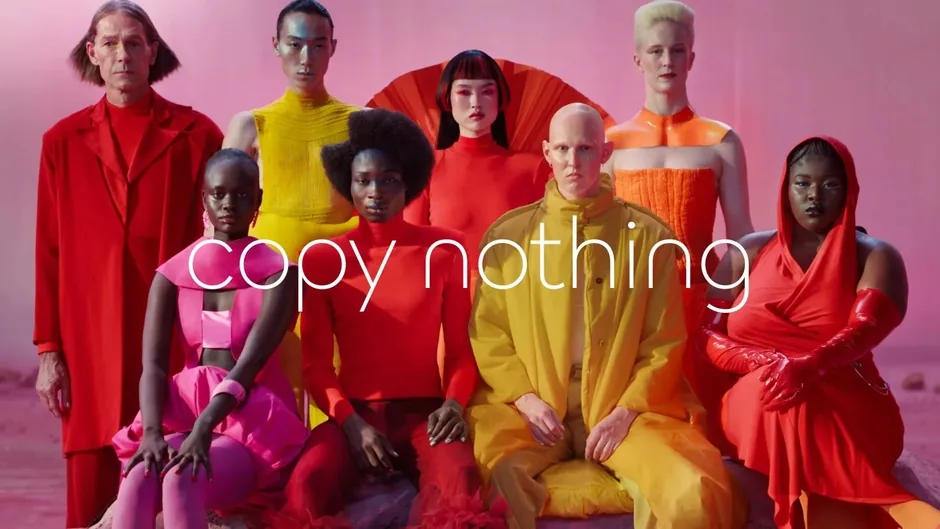
Alongside color, design choices tell an important story about your brand. When we explored consumer perception of current branding trends, we found that bright and bold design was called interesting by 57% of consumers, and ‘different’ by 37% of consumers.
On the other hand, just 33% called minimalism interesting, and consumers were over twice as likely to describe minimal branding as uninspiring when compared to bright and bold branding.
This research should be a wake-up call for many brands as trends in logo design are prioritizing minimalism, exemplified by recent brand refreshes such as PayPal and Verizon. While simplified, minimalistic logos can be beneficial to brands in a digital age, where design elements need to be versatile across multiple channels, too many brands are sacrificing impact for functionality. Jaguar’s high-profile redesign stands in stark opposition to the minimal trajectory and the bright, bold design has generated enormous awareness in new markets for the luxury brand.
The Importance of Brand Mission in 2025
Going into 2025, we found that mission-based branding is considered the number one most impactful branding trend across all demographics. It’s particularly important with younger consumers: 18 — 24s rank a brand’s mission and values as more important than its products in building a relationship with a brand, while 59% of 25 — 34s described this trend as interesting, more than any other demographic.
Brand mission can take on many forms, from the environmental activism of Patagonia to TOMs shoes social mission to provide footwear to children in need. Nor does your mission have to be global, it could focus on local issues or simply seek to change the lives of your customers like many beauty and wellness brands. Connecting with your customers’ lifestyles and values is essential for businesses in 2025, and 36% of consumers would not be likely to purchase from a brand that doesn’t align with their values.
Whatever your purpose, take every opportunity to interweave your mission and values into a compelling narrative that builds a meaningful relationship with your customers, and do so authentically. We found that brand authenticity is important to 98% of consumers, yet increasingly hard to find the AI age, where 49% of consumers said that the use of generative AI harms brand authenticity.
Authenticity can set you apart from competitors and be the foundation of a loyal customer base. Our research found that poor customer service ranked number one in negatively impacting brand authenticity, while communication with customers is the biggest opportunity to demonstrate authenticity.
Share it With the World
Building your brand identity is one of the most rewarding processes of starting a new business. Brand identity is your company’s personality, so it’s this stage that really brings your business to life. Make it count with a bright and bold personality that stands head and shoulders above your competitors.
When you’re making early choices about your brand, from logo design to your communication style, it’s essential to follow the data. Remember though, our research tells you what’s most impactful on customers — it’s up to you to determine who your customers are, and the elements of brand identity you need to emphasize when you target that audience.