
Search has split in two.
People still type queries into Google. But a growing share never click a result.
Ahrefs compared 300,000 keywords between December 2023 and December 2025. AI Overviews cut clicks to top-ranking content by 58%.
So what's link building actually for now?
The systems writing those answers don't count your backlinks. They build a picture of your brand from the places it gets mentioned. Then they decide whether you belong in the answer.
Which means the question isn't who can get you links.
It's who can get your brand named on the sites AI systems actually read.
Here are the ten services worth your budget in 2027, and how to pick between them.
Before you start: Pull a sample publisher list from any provider you're considering and check organic traffic, not just domain rating. It takes ten minutes and it disqualifies most of the category.
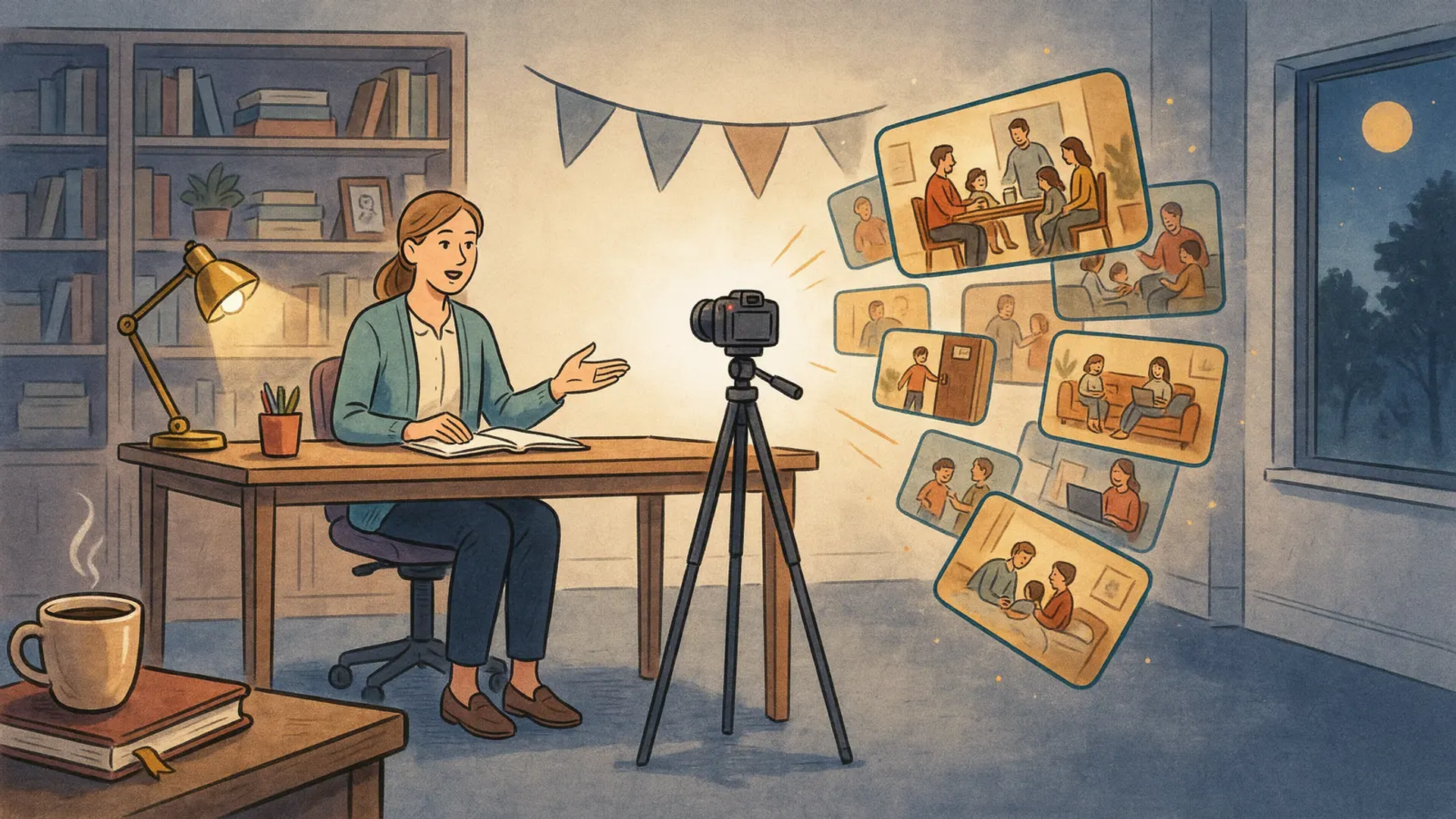
Personalized video for schools means recording one short master video once and letting a template adapt it for each family with a name, grade, and program. For a private school sending 1,000 inquiry follow-ups or re-enrollment reminders, a self-run render pipeline can keep the render cost per video low, though it takes a one-time build effort. Hosted API prices vary widely, and sensitive news still deserves a hand-recorded message.
Picture your admissions office in the middle of admissions season. The same inquiry follow-up, campus tour reminder, and deadline nudge go out to hundreds of families. Often one or two people write them, and those same people also run open houses and answer the phone. Parents compare several schools at once, so their inboxes fill with messages that read almost word for word alike.

Getting people’s attention can be hard work for a small business, especially when the advertising budget is limited. However, that doesn’t mean they can’t give customers a good reason to buy their product or service.
Discounts and special offers can be a useful tool for small business owners. Well-timed promotions for small businesses can bring more people to a website, encourage first-time purchases, and tempt previous customers to come back. They can also help when sales are slow or when certain products need a push.
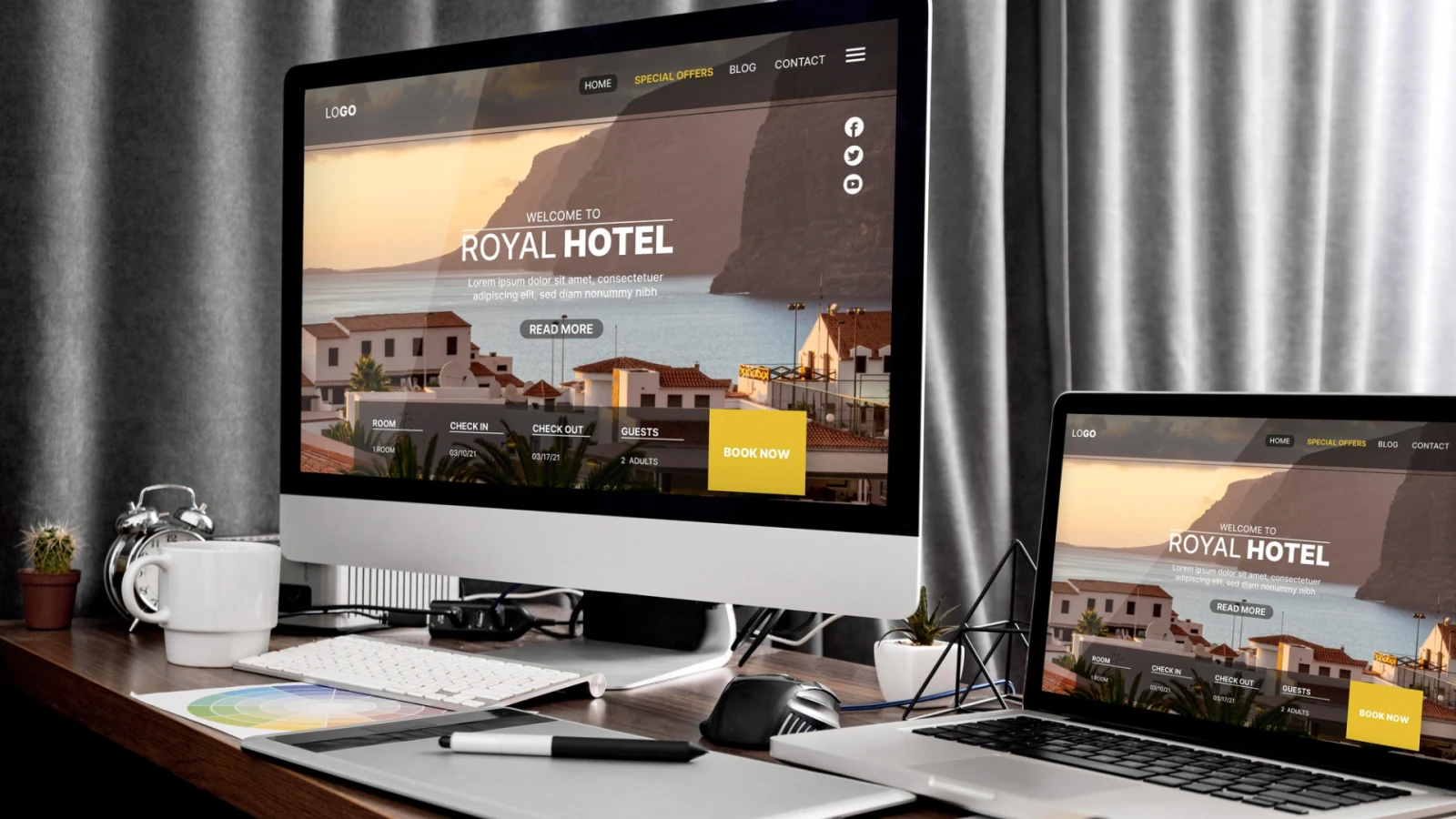
The user visits the small business website, looks around for a few seconds, and either decides to stay or leave. The choice is made quicker than most entrepreneurs think, and it happens without any words from the copy being read. This is the hidden and humble place where contemporary web design services win a lead or miss an opportunity.
Small firms have been thinking about their websites as digital pamphlets for decades - something to own and not something to work for them. This is an extremely old-fashioned method and does not apply to our times anymore. A properly built website is a salesman who would never get sick, never miss a call back, and would always greet all guests in the same manner.