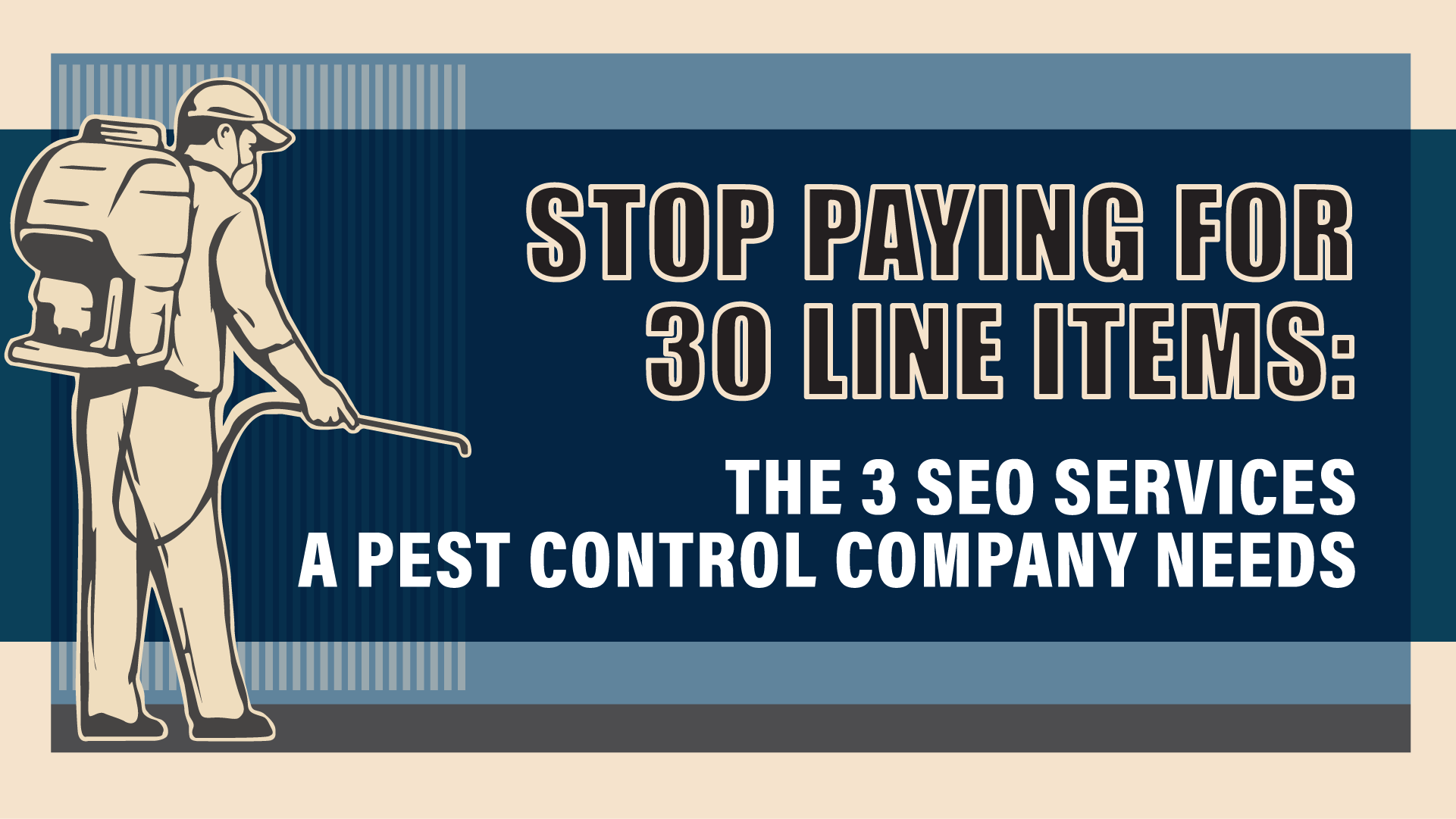
Most businesses do not have a traffic problem. They have a qualified traffic problem.
They attract visitors who browse and leave without converting. The website exists, the content is live, but the leads are not coming in. In most cases, the gap is not the product or service. It is the absence of a structured SEO strategy designed to attract the right people at the right time.
SEO is not just about rankings. When done well, it builds a pipeline of people who are already searching for what you offer. That intent is what makes organic search one of the most reliable lead generation channels a business can invest in.

You do not need a trust fund to build a creative career. Smart planning and cost-conscious decisions matter more than flashy tools.
Whether you’re a photographer or a graphic designer, creative work can feel expensive at first glance. Tuition, gear, subscriptions, and marketing can all add up quickly. However, with the right strategy, you can build skills, a portfolio, and income without draining your savings.
Your article starts here. Write your introduction below this line.
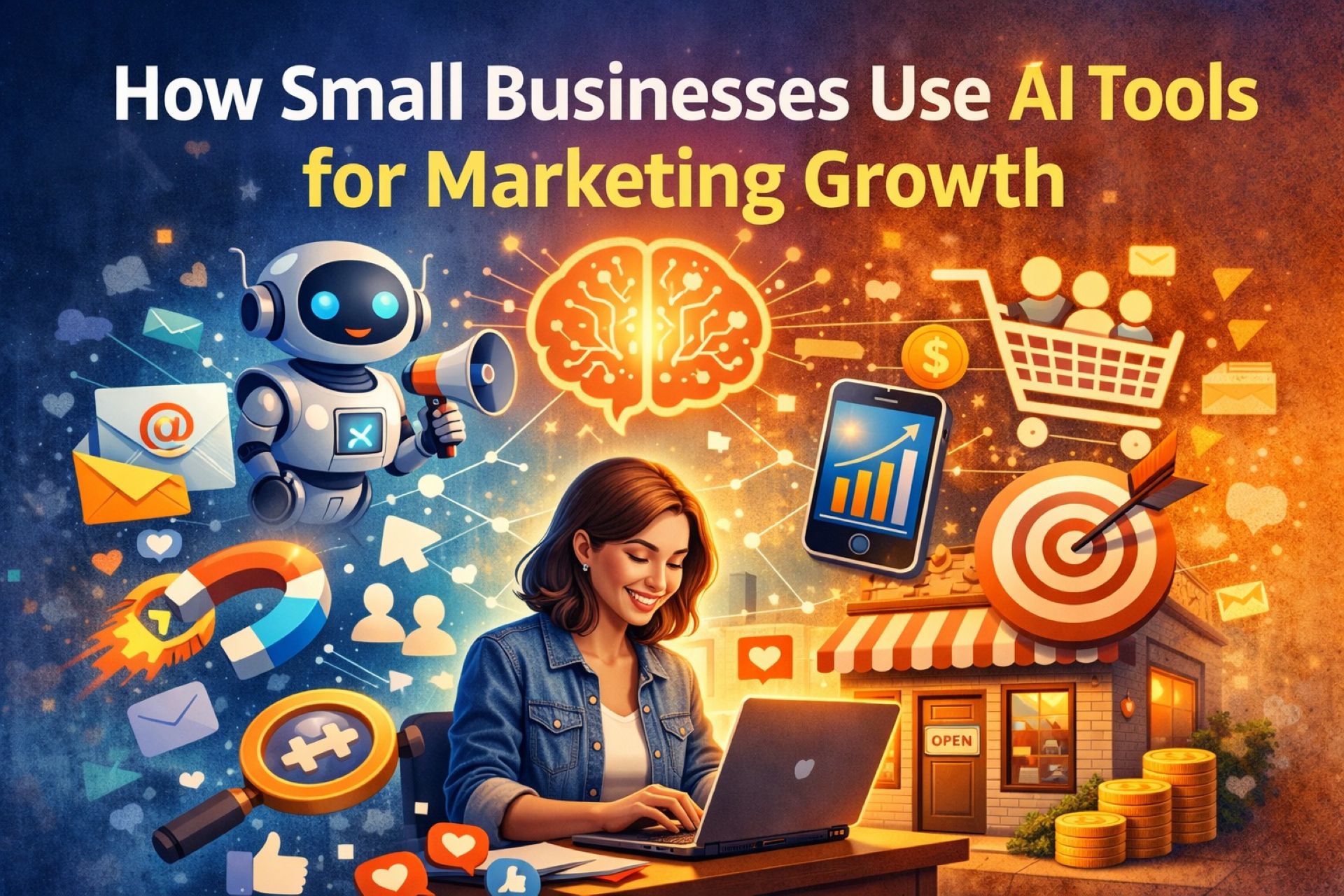
Marketing has always been one of the hardest parts of running a small business. It takes time, consistency, and a level of expertise that many founders simply do not have. Most small teams are forced to choose between spending hours on marketing tasks or ignoring them entirely.
AI is changing that. Instead of doing everything manually, small businesses can now use AI tools to handle content creation, customer outreach, data analysis, and campaign optimization. What used to require an entire marketing team can now be done with a handful of tools and a clear strategy.
The real advantage is not just automation. It is the ability to compete with larger companies without needing the same budget or resources. When used correctly, AI tools can help small businesses move faster, make better decisions, and generate more consistent results.

A small business often runs on instinct, memory, and people pitching in wherever needed. That works for a while, but as your marketing grows across channels, you eventually hit a wall. Tasks start falling through the cracks, customer experiences become inconsistent, and new hires struggle to understand how things are actually done. This is the point where a marketing SOP playbook becomes essential.
A marketing SOP playbook is a structured set of step-by-step procedures that explains exactly how your business handles its marketing tasks. It covers everything from social posting routines to campaign launches, customer review responses, lead intake, approvals, and reporting.
Think of it as a living operations manual built specifically for marketing. When done well, it reduces errors, shortens onboarding time, and helps your business scale without chaos.
Before we begin, the goal of this guide is to give you a single, clear resource you can use, whether you have never built an SOP before or already have a few scattered documents and want to unify them. The explanations here are intentionally detailed so no reader feels left behind.