 use Joomla\CMS\Uri\Uri;

Let's face it – today's parents are doing their homework long before they step foot on your campus. According to recent research by International School Parent, 70% of parents say they would use virtual tours to research schools, with 60% considering virtual tours as a viable alternative to in-person visits. More tellingly, schools that implemented professional virtual tours saw a 20% increase in website traffic and a 10% increase in inquiries.
Welcome to the new era of school marketing, where your virtual presence can be just as crucial as your physical campus. Inside Higher Ed reports that individuals who share their contact information while on a virtual tour are twice as likely to apply compared to those who make contact through other channels. Even more impressive, Concept3D's research shows that 66% of virtual tour users return within six months, demonstrating just how valuable this tool can be for nurturing prospective families.
But here's the challenge: creating a virtual tour that truly captures the essence of your school involves more than just stringing together a series of 360-degree photos. It requires strategic planning, technical expertise, and an understanding of what today's tech-savvy parents expect from digital experiences.
In this comprehensive guide, we'll walk through the essential elements that transform a basic virtual tour into an engaging experience that not only showcases your campus but also drives admissions inquiries. Whether you're planning your first virtual tour or looking to upgrade your existing one, these best practices will help you create a digital experience that does justice to your school's unique value proposition.

Written By: Adam Bennett | February 17, 2025
Adam is the president and founder of Cube Creative Design and specializes in private school marketing. Since starting the business in 2005, he has created individual relationships with clients in Western North Carolina and across the United States. He places great value on the needs, expectations, and goals of the client.

In this article, we will look at the 5 common GA4 setup mistakes that can undermine your search metrics.
By understanding these pitfalls, you can make better decisions about your content strategy, technical setup, and user engagement efforts.
Key Takeaways
Here are the 5 common Google Analytics 4 setup mistakes:
- Poor Data Stream Configuration: Setting up each stream correctly is vital so you do not end up with duplicate or missing data.
- Skipping Custom Dimensions and Metrics: Additional data fields help you capture unique attributes about your audience and their activities, allowing you to refine SEO tactics.
- Messy Referral Exclusion Settings: Properly managing referrals prevents inflated session counts and maintains accurate attribution, giving you confidence in your analytics.
- Neglecting Cross-Domain Tracking: When sites span multiple domains, you need a unified view of user sessions to maintain clarity on user paths and conversions.
- Overlooking Event Tracking: A thorough event setup gives you a deeper level of detail on engagement and helps you make data-driven adjustments to content and site design.
Let’s dive a little deeper into each of these GA4 setup mistakes.
It's 2:17 AM. Sarah's finally gotten her colicky six-month-old back to sleep when she hears it – the unmistakable scurrying sound coming from behind the nursery wall. In a panic, she grabs her phone and types: "emergency pest control near me."
In the next 30 seconds, two pest control companies will compete for Sarah's business. One will show up prominently in her local search results, complete with five-star reviews, clear emergency contact information, and proof of 24/7 service. The other... well, they might be just as qualified, just as close, and just as ready to help – but Sarah will never know because they're buried on page two of the search results.
Which company will you be?
In 2025, 97% of your potential customers will find you exactly like Sarah did – through local search, often in moments of urgent need. Whether it's a midnight rodent discovery, a Sunday morning bee swarm, or a basement termite revelation, your future customers are searching for you right now.
But here's the challenge: showing up when and where they need you isn't about luck. It's about strategy.
In this guide, I will walk you through a comprehensive step-by-step strategy to improve your local visibility. No technical jargon without explanation, no tactics without context – just clear, actionable steps to help your pest control business climb those local rankings and be there when customers need you most.
Consider this your pest control plan for unwanted ranking issues. Just as you wouldn't start a pest treatment without proper inspection and planning, we'll methodically address each aspect of your local SEO strategy to ensure lasting results.

Written By: Chad J. Treadway | February 12, 2025
Chad is our Chief Smarketing Officer. He will help you survey your small business needs, educating you on your options before suggesting any solution. Chad is passionate about rural marketing in the United States and North Carolina. He also has several certifications through HubSpot to better assist you with your internet and inbound marketing.

If you're wondering why your stellar private school isn't seeing the enrollment numbers it deserves, your website might be the educational equivalent of a pop quiz – catching prospective parents off guard and leaving them unprepared to take the next step. In an era where nearly 9 out of 10 parents start their school search online, your website isn't just a digital brochure; it's your hardest-working admissions officer.
At the fictional Greenfield Academy, Director of Admissions Jordan Grayson faced this exact challenge. "We had an impressive campus, outstanding faculty, and stellar academic outcomes," says Grayson. "But our website was like a maze where prospective parents could find everything except the exit sign pointing them toward enrollment."
Written By: Adam Bennett | February 12, 2025
Adam is the president and founder of Cube Creative Design and specializes in private school marketing. Since starting the business in 2005, he has created individual relationships with clients in Western North Carolina and across the United States. He places great value on the needs, expectations, and goals of the client.

Storm Fletcher wakes up at 2 AM to the sound of water rushing down her hallway. Her finished basement – filled with family photos, her home office equipment, and her kids' gaming setup – is rapidly flooding. In a panic, she grabs her phone and searches for an "emergency plumber near me."
In those crucial minutes, she's not comparing prices. She's not reading blog posts. She's not filling out contact forms.
She's calling the first plumber who appears with a prominent "Call Now" button and solid reviews. By 2:05 AM, she's either your next loyal customer – or she's on the phone with your competitor.
This scene plays out thousands of times every day across your service area. A broken AC unit during a heatwave. A sparking electrical panel. A backed-up sewer line before a holiday party. Each emergency represents a homeowner in crisis – and a premium service call that will either go to you or your competition.
But here's the reality: While 9 out of 10 people search online for local services during emergencies, most home service businesses remain invisible during these critical moments. They're buried on page two of Google, hidden behind outdated websites, or missing the crucial technical elements that turn panic-searching homeowners into immediate bookings.
That's where professional SEO and development teams become your secret weapon – transforming your digital presence from an online brochure into a 24/7 customer acquisition machine that captures high-value emergency calls and converts them into long-term, loyal clients.
Written By: Chad J. Treadway | February 12, 2025
Chad is our Chief Smarketing Officer. He will help you survey your small business needs, educating you on your options before suggesting any solution. Chad is passionate about rural marketing in the United States and North Carolina. He also has several certifications through HubSpot to better assist you with your internet and inbound marketing.

If you're running a home service business in 2025, you've probably noticed that finding good help is about as easy as explaining why that washing machine is making that weird sound (you know, the one). Between skilled workers becoming as rare as a plumber's crack at a black-tie dinner and national chains throwing around benefits packages bigger than a contractor's tool belt, hiring has become a serious challenge.
But here's the thing - while everyone else is playing the same old hiring game, you're about to learn how to change the rules. Whether you're trying to find HVAC technicians who actually show up on time (gasp!), plumbers who can explain a P-trap without turning it into a doctoral thesis, or electricians who understand that customer service involves more than just flipping the breaker switch, this guide is your new best friend.
Written By: Adam Bennett | February 10, 2025
Adam is the president and founder of Cube Creative Design and specializes in private school marketing. Since starting the business in 2005, he has created individual relationships with clients in Western North Carolina and across the United States. He places great value on the needs, expectations, and goals of the client.

Let's face it – your K-12 independent school's website isn't just a digital brochure anymore. It's your tireless admissions counselor, working 24/7 to showcase your school's unique value proposition to prospective families. And here's the kicker: over 9 out of 10 prospective parents visiting schools begin their search online, exploring everything from your pre-kindergarten program to your upper school offerings before ever picking up the phone or scheduling a tour.
The real surprise? Most are making initial judgments about your school in just 8 seconds. (And no, that's not a typo – 8 seconds is apparently the new eternity in the digital age.)
What's truly at stake here? Our recent analysis with Greenfield Academy revealed some eye-opening trends:
- Nearly 7 out of 10 parents abandon school inquiry forms due to poor website usability
- 7 out of 10 millennial parents research private schools on their phones while juggling daily routines like carpool lines and after-school activities
- 9 out of 10 independent school parents say website experience significantly influenced their decision to schedule a campus tour
- Less than 1 out of 4 private K-12 schools are effectively optimizing their websites for the mobile-first parent
Here are some quick website wins for enrollment that can transform your student recruitment website from a simple information repository into an enrollment-driving powerhouse!
Written By: Adam Bennett | February 10, 2025
Adam is the president and founder of Cube Creative Design and specializes in private school marketing. Since starting the business in 2005, he has created individual relationships with clients in Western North Carolina and across the United States. He places great value on the needs, expectations, and goals of the client.

You could skip monitoring and managing negative sentiment.
But at what cost?
Without a crisis prevention and mitigation plan, your brand’s reputation, revenue, and customer retention are vulnerable to potential harm.
While you can’t stop every negative comment or bad press, you can put measures in place to turn things around.
Let’s take a deeper look into crisis management — and how tracking social media metrics can help you catch and manage negative sentiment effectively.

Social media analysis is essential for understanding how your brand is perceived by the vast audiences that engages online. With 62.3% of the world’s population using social media and an average daily usage of 2 hours and 23 minutes, analyzing sentiment allows businesses to tap into the emotions and opinions expressed in real time. (Source: Datareportal)
By monitoring and interpreting these insights, companies can quickly address customer concerns, enhance their marketing strategies, and foster stronger connections with their audience, ultimately improving customer satisfaction and brand loyalty.
If you want to know more, keep reading.
Are your service pages or even your website generally struggling to rank in local search results? The secret might lie in LSI keywords – the powerful yet often overlooked tool that helps search engines understand exactly what services you offer. In this guide, you'll discover how these semantic keywords can boost your visibility and connect you with more local customers.
What are LSI keywords? They are words that are semantically related to your main keyword. Search engine algorithms use them to understand the context and deliver more relevant results to users searching for local services.
LSI keywords can improve your SEO by helping search engines understand what your services are about. They also help your pages rank for related keywords that potential customers might use to find your business.
Written By: Chad J. Treadway | February 06, 2025
Chad is our Chief Smarketing Officer. He will help you survey your small business needs, educating you on your options before suggesting any solution. Chad is passionate about rural marketing in the United States and North Carolina. He also has several certifications through HubSpot to better assist you with your internet and inbound marketing.
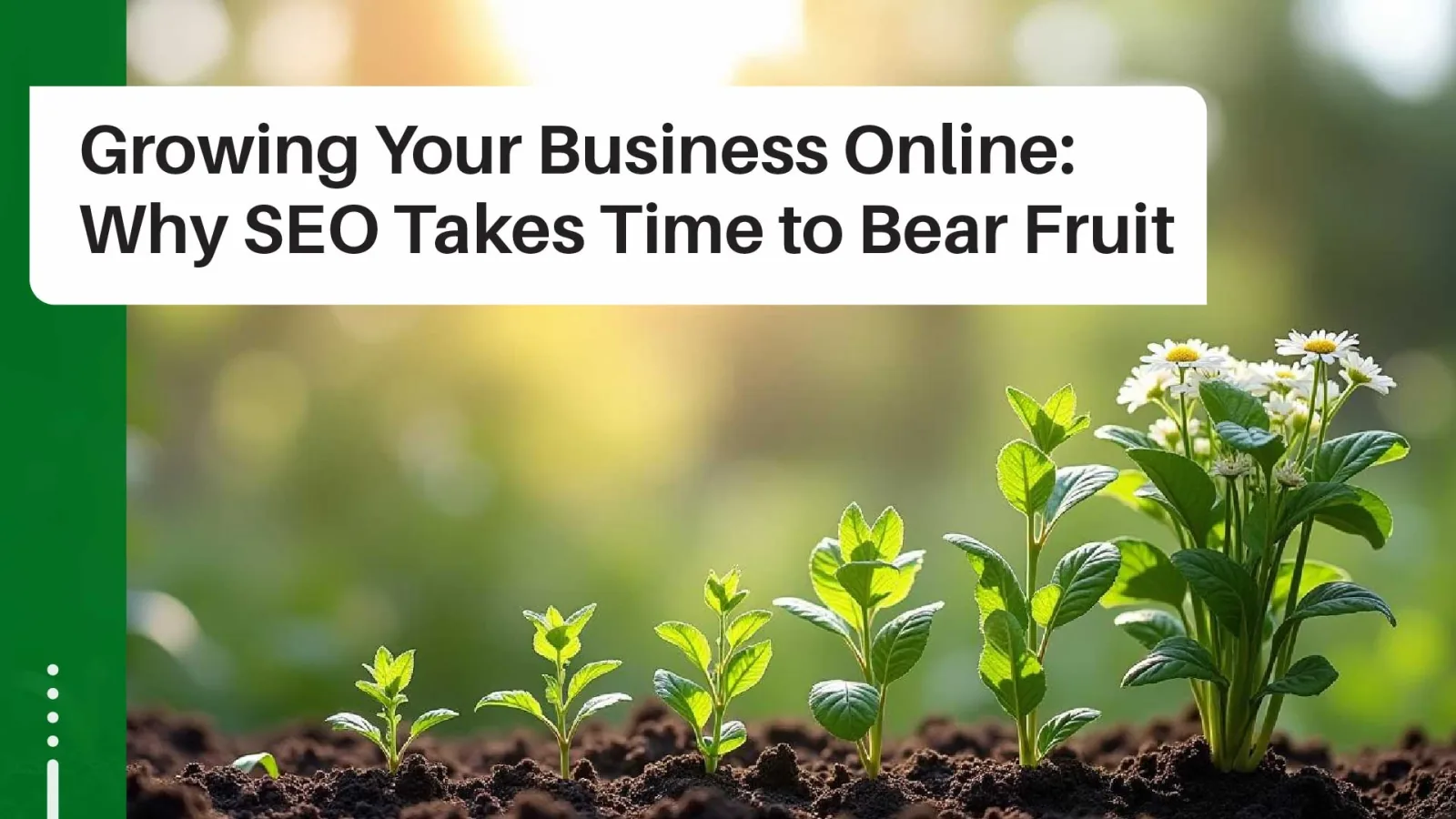
Remember when you first started gardening? You didn't plant seeds one day and expect a flourishing garden the next week. Growing a beautiful, productive garden takes time, consistent care, and patience. Search Engine Optimization (SEO) works the same way – it's about planting and nurturing the right "seeds" to help your business grow online.
Written By: Adam Bennett | February 05, 2025
Adam is the president and founder of Cube Creative Design and specializes in private school marketing. Since starting the business in 2005, he has created individual relationships with clients in Western North Carolina and across the United States. He places great value on the needs, expectations, and goals of the client.
In 2025, your school website isn't just a digital brochure – it's the cornerstone of your educational institution's digital presence. When Greenfield Academy saw a massive drop in online inquiries due to poor website UX, they learned a crucial lesson: in today's competitive educational landscape, exceptional website user experience isn't just nice to have – it's essential for survival. Like that imposing main entrance to your campus, your educational website design needs to make one heck of a first impression.
In today's digital-first educational landscape, your website serves as more than just an information repository – it's your most hardworking admissions counselor, working 24/7 to engage prospective families, support current students, and maintain alumni connections. And just like you wouldn't let your admissions counselor show up to work in pajamas (tempting as that might be), your website needs to maintain professional standards while delivering an exceptional user experience.
Written By: Adam Bennett | February 05, 2025
Adam is the president and founder of Cube Creative Design and specializes in private school marketing. Since starting the business in 2005, he has created individual relationships with clients in Western North Carolina and across the United States. He places great value on the needs, expectations, and goals of the client.