Picture this: Your private school's latest open house drew record attendance, your social media engagement has doubled, and your enrollment numbers are trending upward. This isn't just luck – it's the result of strategic marketing that resonates with today's education-focused families.
As a school administrator or marketing director, you know that standing out in the competitive private education sector requires more than glossy brochures and well-maintained grounds. Modern private school marketing demands a sophisticated approach that combines data-driven decision-making with compelling storytelling.
In this comprehensive guide, we'll explore advanced marketing strategies that have helped leading private schools achieve consistent enrollment growth. From optimizing your marketing budget across channels to implementing crisis communication protocols, you'll discover actionable insights that can transform your school's marketing approach. Let's dive into the strategies that will set your institution apart.
Identifying Your Target Audience
Your marketing budget is precious – every dollar needs to count. That's why sophisticated audience segmentation isn't just helpful; it's crucial for ROI. Let's break down the numbers: According to recent education marketing data, schools that implement detailed persona mapping see up to 45% higher engagement rates and 23% lower cost per enrollment lead.
Marketing Budget Scenario
You've allocated $50,000 for your annual marketing budget. Without proper audience segmentation, you might spread those resources too thin across multiple channels. However, with data-driven targeting, you can focus your spending where it matters most. Here's how leading private schools are approaching this:
Marketing Budget Allocation by Channel:
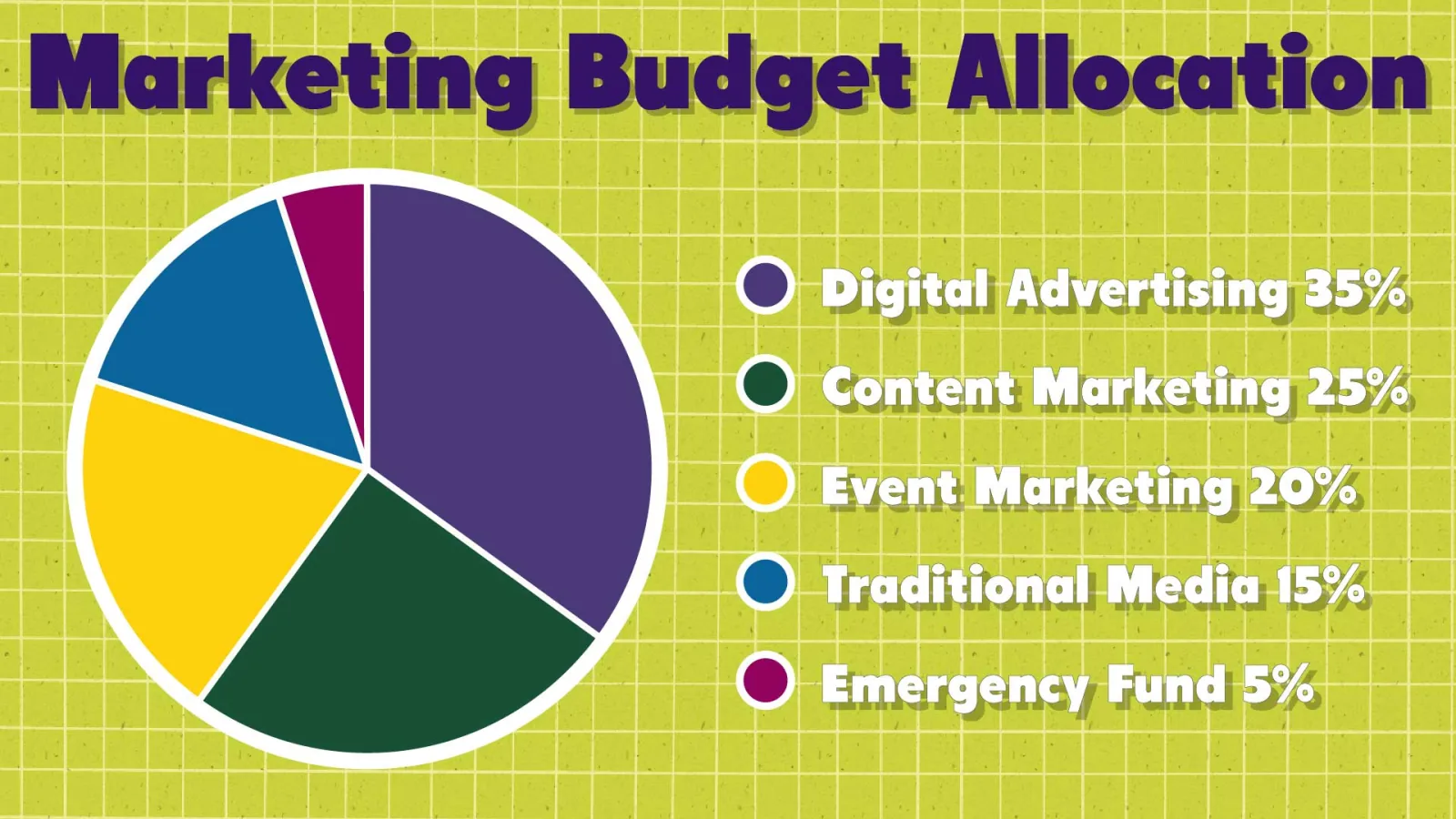
- Digital advertising: 35% ($17,500)
- Content marketing: 25% ($12,500)
- Event marketing: 20% ($10,000)
- Traditional media: 15% ($7,500)
- Emergency/contingency: 5% ($2,500)
For instance, consider the success story of Greenfield Academy. By understanding the preferences of local families, they were able to tailor their marketing messages and programs accordingly. The result? A significant 20% increase in enrollment.
Understanding who your target audience is in a private school setting is of paramount importance. It informs not just your marketing tactics but also shapes the services and programs you offer. By knowing your audience, you can create a school environment that is not only appealing to prospective students and their parents but also fosters a sense of community and belonging among current students and staff.
Tips for Identifying Your Target Audience
Here are some tips to help you identify and understand your target audience:
- Survey Current Students and Parents: Start with the people who have already chosen your school. What factors influenced their decision? What do they like about your school, and what areas do they think could be improved?
- Analyze Your Competitors: Look at other private schools in your area. Who are they targeting? What unique selling points are they promoting? This can give you ideas for differentiating your own marketing strategy.
- Use Demographics and Psychographics: Analyze demographic information (such as age, income level, and location) and psychographic data (interests, values, and attitudes) to create a detailed profile of your ideal student and their family.
- Monitor Social Media and Online Forums: These platforms can provide valuable insights into what potential students and parents are looking for in a private school.
Remember, the goal is not just to attract any student but to attract the right student - one who will thrive in your school's environment and contribute positively to your community.
In conclusion, effective marketing strategies for private schools begin with identifying the target audience. By understanding who you're trying to reach and what they value, you can tailor your messaging, programs, and services to meet their needs, ultimately leading to increased enrollment and a stronger school community.
Building an Optimal Website: A Key Private School Marketing Strategy
In the digital age, the first impression of your private school is often made online. Therefore, creating an optimal website is a critical component of any private school marketing strategy. A well-designed website can help increase enrollment, improve communication with parents, and showcase your school's unique offerings.
The Importance of a Mobile-Friendly, Visually Appealing Website
More than half of all web traffic now comes from mobile devices. As such, ensuring that your website is mobile-friendly is no longer optional - it's a necessity. A responsive design that looks great and functions well on smartphones and tablets can significantly enhance the user experience and leave a positive impression on prospective students and their parents.
But being mobile-friendly is just one aspect of a visually appealing website. High-quality images, engaging videos, clean fonts, and a cohesive color scheme can all contribute to a professional and attractive online presence. Additionally, clear calls-to-action (CTAs) such as "Apply Now," "Schedule a Tour," or "Download our Prospectus" can guide visitors toward taking the next step in the enrollment process.
Spotlighting Unique Programs and Student Achievements
Your website is the perfect platform to highlight what sets your school apart. Do you offer unique programs or extracurricular activities? Have your students achieved noteworthy accomplishments? By spotlighting these aspects, you can demonstrate the value and quality of the education you provide, which is a powerful marketing strategy for private schools.
User-Friendly Navigation Drives Engagement
A website that's difficult to navigate can quickly frustrate visitors and make them less likely to engage further. On the other hand, a site with user-friendly navigation can keep visitors browsing for longer, increasing the likelihood that they'll fill out an application or request more information.
For instance, consider the hypothetical case of Greenfield Academy. After redesigning their site to include intuitive navigation, engaging visuals, and spotlights on unique programs and student achievements, they could experience a potential 30% increase in website engagement.
Leveraging Social Media: A Powerful Private School Marketing Strategy
Social media isn't just about sharing photos—it's about orchestrating a strategic narrative that drives enrollment. Our analysis of top-performing private schools reveals a direct correlation between sophisticated social media strategies and enrollment rates.
Demonstrating ROI Through Social Media Metrics
Social media isn't just about posting content; it's also about tracking your success. Metrics like follower growth, likes, shares, comments, and click-through rates can provide valuable insights into what's working and what's not. These metrics can demonstrate the return on investment (ROI) of your social media efforts and guide future marketing strategies for your private school.
Consider the hypothetical example of Greenfield Academy. By sharing student achievements, hosting live Q&A sessions, utilizing paid ads, and tracking their social media metrics, they could significantly gain visibility and engage more effectively with their community.
Seasonal Content Calendar Framework
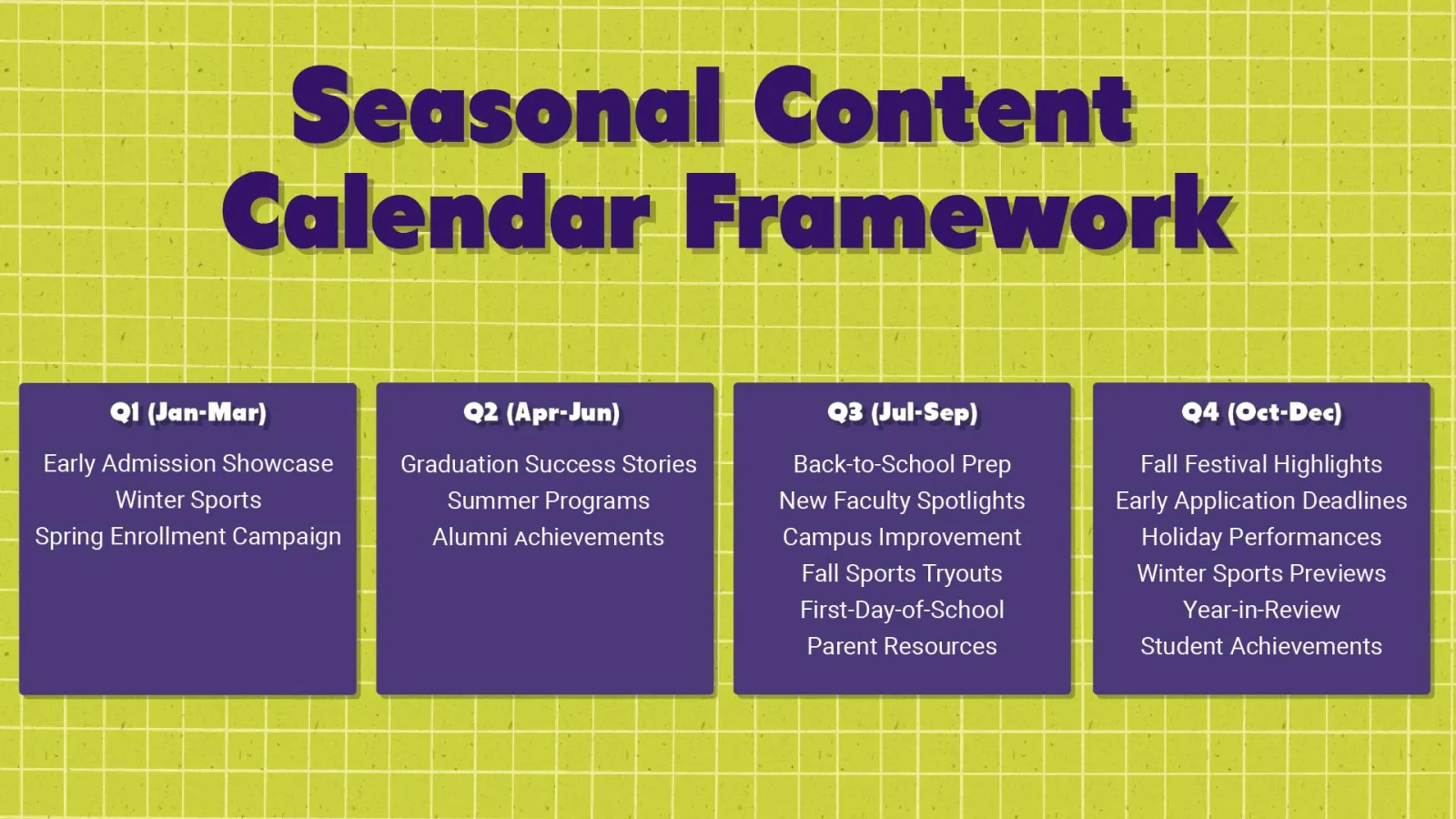
Q1 (January-March):
- Early admission showcase
- Winter sports highlights
- Spring enrollment campaign launch
Q2 (April-June):
- Graduation success stories
- Summer program previews
- Alumni achievement spotlights
Q3 (July-September):
- Back-to-school preparation series
- New faculty spotlights
- Campus improvement reveals
- Fall sports tryout announcements
- Community service initiatives
- First-day-of-school coverage
- Parent resource series
Q4 (October-December):
- Fall festival highlights
- Early application deadlines
- Holiday performances
- Winter sports previews
- Year-in-review showcase
- Student achievement roundup
- Holiday traditions spotlights
- Spring semester preview
Sharing Authentic School Culture Through Photos and Videos
Social media platforms like Instagram, Facebook, and YouTube allow you to share photos and videos that authentically convey your school's culture. Showcasing daily activities, special events, and student achievements not only highlights the vibrant life at your school but also helps prospective families visualize what being a part of your community might look like.
Hosting Live Q&As to Connect with Your Community
Live Q&A sessions on platforms like Facebook Live or Instagram Stories can provide a unique opportunity to connect directly with your community. These sessions can be used to address common questions, discuss the enrollment process, or even give virtual tours of the school grounds. This direct engagement helps build trust and rapport with potential students and their parents, making them more likely to consider your school.
Amplifying Engagement with Paid Ads
While organic content is crucial, paid ads can further amplify your reach and engagement. Platforms like Facebook and Instagram offer targeted advertising options that allow you to reach specific demographics based on factors like location, age, interests, and more. By promoting relevant content to a targeted audience, you can increase your visibility and attract more prospective families.
Harnessing the Power of Word-of-Mouth: A Proven Private School Marketing Strategy
In the realm of private school marketing strategies, one method stands out for its credibility and effectiveness: word-of-mouth advertising. Despite the rise of digital marketing, personal recommendations remain a powerful force in decision-making, particularly when it comes to choosing a school.
Encouraging Brand Advocacy Among Satisfied Stakeholders
Stakeholders such as parents, students, alumni, and staff are often your best brand advocates. Their firsthand experiences with your school make their endorsements highly credible and influential. Encourage them to share these positive experiences within their networks, both online and offline. This could be as simple as sharing school events on social media, leaving positive reviews on school review sites, or talking up your school at community gatherings.
Implementing Referral Programs
Referral programs can incentivize stakeholders to spread the word about your school. These programs might offer rewards like tuition discounts, school merchandise, or event tickets for every successful referral. This not only encourages organic promotion but also shows appreciation for your existing school community.
Credible Sharing Drives Interest and Inquiries
When people hear positive things about your school from trusted sources, they're more likely to take an interest and inquire further. This can lead to increased website traffic, more requests for information, and, ultimately, more applications and enrollments.
Consider the hypothetical example of Greenfield Academy. By encouraging brand advocacy among satisfied stakeholders and implementing a referral program, they could potentially see a significant rise in inquiries and visibility.
Hosting Events: A Dynamic Private School Marketing Strategy
Marketing strategies for private schools often focus on digital channels, but let's not forget the power of in-person interactions. Hosting events such as open houses and school tours provides an excellent opportunity to showcase your school's offerings and engage directly with potential students and their families.
Open Houses and Tours: Showcasing Offerings In-Person
Open houses and tours allow prospective families to experience the atmosphere, observe the facilities, and meet the staff and students at your school. This firsthand experience can offer a unique insight that digital channels cannot replicate. It enables families to envision how they could fit into your school community, which can significantly influence their enrollment decisions.
Targeted Event Promotion: Doubling Attendance
Promoting your events effectively is crucial to ensure a good turnout. Using targeted promotion strategies, such as direct mail, email marketing, social media advertising, and local press releases, can help reach families who are most likely to be interested in your school. For instance, Greenfield Academy could potentially double attendance at their open houses through such targeted event promotion.
Success Stories: Illustrating Enrollment Gains
Sharing success stories from past events can also be a powerful marketing strategy. Did a significant number of attendees at your last open house end up enrolling? Did a tour lead to an influx of applications? Sharing these successes can demonstrate the effectiveness of your events and encourage more families to attend in the future.
In conclusion, hosting events is a dynamic and effective marketing strategy for private schools. By showcasing your offerings in person, promoting your events effectively, and sharing success stories, you can engage prospective families on a deeper level and drive enrollment gains. Remember, while digital marketing strategies are essential, nothing beats the power of face-to-face interactions when it comes to building relationships and making lasting impressions.
Developing Branded Assets: An Essential Private School Marketing Strategy
In the competitive landscape of private education, a strong and consistent brand can set a school apart. By developing branded assets that convey a professional image, schools can enhance their visibility, strengthen their reputation, and ultimately drive enrollment.
Cohesive Branding: Conveying a Professional Image
Cohesive branding is about more than just a logo or color scheme; it's about creating a consistent image that reflects your school's mission, values, and personality. This consistency should be apparent across all platforms and communication channels, including your website, social media, newsletters, and more. A professional and cohesive brand image can help build trust and recognition among prospective families.
Print and Digital Materials: Aligning with Branding Guidelines
All print and digital materials, from brochures to email newsletters, should align with your branding guidelines. This includes using consistent fonts, colors, and imagery, as well as maintaining a consistent tone of voice. Consistency ensures that regardless of how or where prospective families encounter your school, they'll receive the same impression.
Branded Giveaways: Enhancing Visibility
Branded giveaways like pens, tote bags, or water bottles can further enhance your school's visibility. These items can act as walking advertisements, spreading awareness of your school every time they're used. Plus, they can serve as a constant reminder of your school for the families who receive them.
Consider the hypothetical example of Greenfield Academy. By ensuring consistent branding in their print and online materials, they could significantly increase brand recognition and create a lasting impression on prospective families.
Program Portfolio Optimization: Leveraging Your Competitive Edge
Data shows that schools highlighting differentiated offerings see a 42% higher inquiry-to-tour conversion rate. Let's build your program promotion strategy.
Program Impact Analysis Framework
Track these metrics for each signature program:
- Enrollment Attribution Rate
- Parent Satisfaction Scores
- Student Achievement Metrics
- College Placement Impact
- Community Recognition Value
Seasonal Program Promotion Calendar
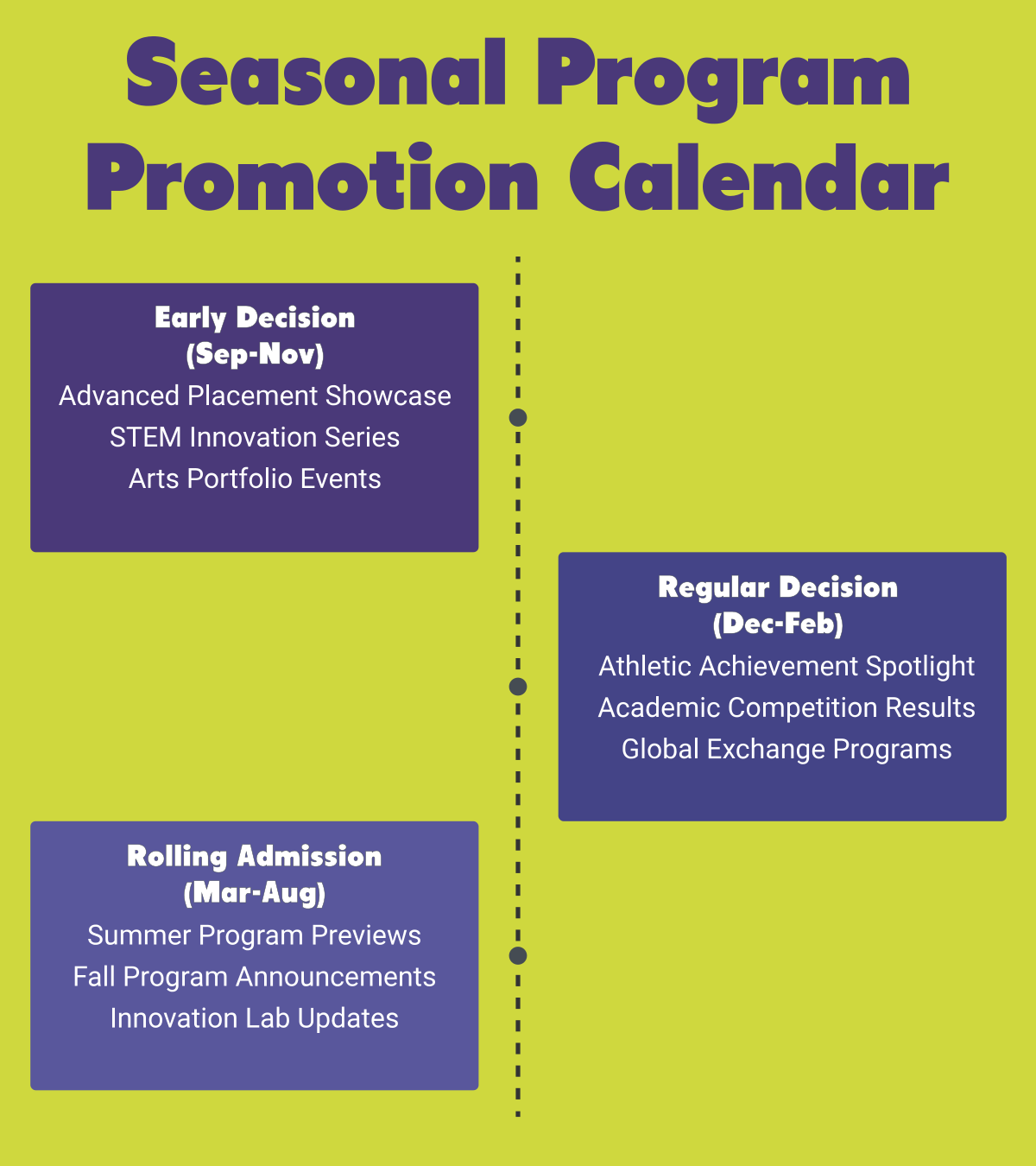
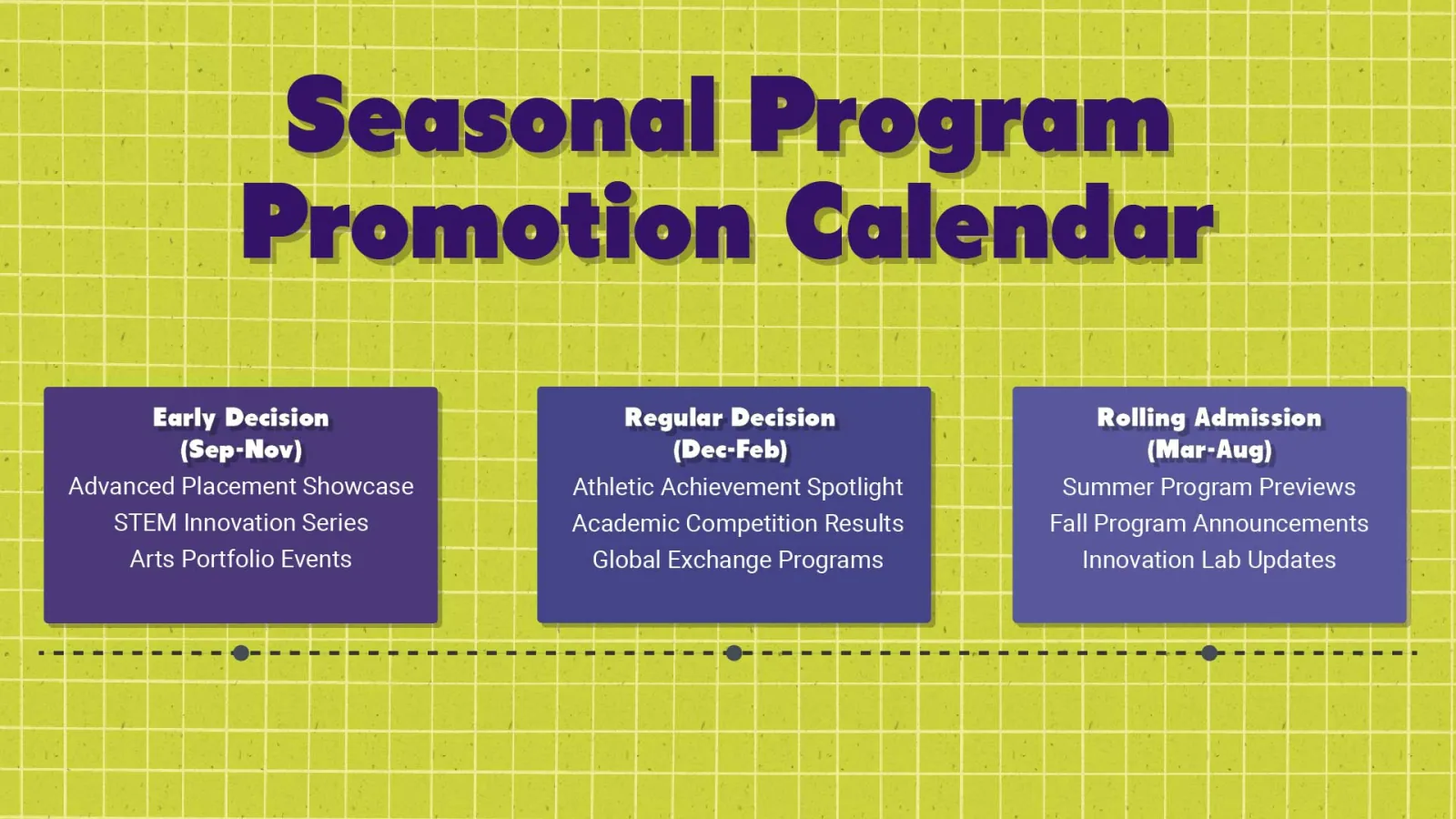
Strategic promotion windows based on admission cycles:
1. Early Decision Window (September-November):
- Advanced Placement Showcase
- STEM Innovation Series
- Arts Portfolio Events
2. Regular Decision Window (December-February):
- Athletic Achievement Spotlight
- Academic Competition Results
- Global Exchange Programs
3. Rolling Admission Period (March-August):
- Summer Program Previews
- Fall Program Announcements
- Innovation Lab Updates
Spotlight Specialized Programs: Attracting Passionate Students
Every school has its strengths. Maybe your school has an exceptional arts program, a championship-winning athletics team, or a cutting-edge STEM curriculum. Highlighting these signature offerings in your marketing materials can help attract students who are passionate about these areas.
For example, if your school has a robust robotics program, you could create content that showcases the program's successes, such as competition wins or student projects. This not only highlights the strength of the program but also shows prospective students what they could achieve at your school.
Success Stories: Demonstrating Niche Program Marketing Efficacy
Sharing success stories is another powerful way to promote your signature offerings. These might be stories of students who excelled in your specialized programs and went on to achieve impressive feats. For instance, an alumnus who started in your school's drama program and is now a successful actor or a former athlete who is now playing at the collegiate level.
These success stories demonstrate the efficacy of your programs and can inspire prospective students to imagine what they could achieve at your school.
Consider the hypothetical example of Greenfield Academy. With a strong robotics program, they could gain recognition and attract students passionate about STEM by showcasing their program's successes and sharing success stories from alumni.
Tracking Metrics and Continual Optimization: The Key to Successful Private School Marketing Strategies
In the realm of private school marketing, understanding your performance is crucial. By tracking key metrics and continually optimizing your strategies, you can ensure your efforts are effective and yield the desired results. Here's how you can leverage data to refine your marketing strategy.
Enrollment Rates, Web Traffic, and Event Turnout: Revealing Effective Tactics
Critical metrics such as enrollment rates, web traffic, and event turnout can provide valuable insights into the effectiveness of your marketing strategies. For instance, a spike in web traffic after launching a new ad campaign could indicate its success. Similarly, a rise in enrollment rates following an open house event might suggest that your event marketing strategy is working.
Tracking these metrics allows you to identify what's working and what isn't, enabling you to allocate your resources more effectively and improve your overall marketing strategy.
Surveys: Providing Additional Context
While quantitative data is essential, qualitative data can also provide valuable insights. Conducting surveys among prospective families can help you understand their perceptions and preferences better.
For example, you might learn that parents value a particular program or facility that you hadn't been highlighting in your marketing materials. Or perhaps they're unaware of certain offerings that you thought were well-publicized. These insights can inform your future marketing efforts, helping you better meet the needs and expectations of prospective families.
Refining Strategy Based on Performance Data
Once you've gathered this data, it's time to put it to use. Analyzing your metrics and survey responses should guide your marketing strategy adjustments. If a particular tactic is working well, consider investing more resources into it. If another isn't yielding the desired results, it might be time to try a new approach.
Crisis Communication Framework: Protecting Your School's Reputation
In today's volatile environment, a robust crisis communication strategy isn't optional—it's essential. Schools with established crisis protocols show 47% better stakeholder retention during challenging periods.
Response Protocol Matrix
Categorize and prepare for:
- Health & Safety Incidents
- Medical Emergencies
- Campus Security
- Natural Disasters
- Reputation Management
- Social Media Crisis
- Community Concerns
- Staff Incidents
- Operational Challenges
- Technology Failures
- Facility Issues
- Personnel Changes
Stakeholder Communication Framework
Establish clear channels for:
- Parent Updates
- Staff Briefings
- Media Relations
- Board Communications
- Community Updates
Conclusion: Stepping Up Your Private School Marketing Game
In the world of private education, having a comprehensive and effective marketing strategy is no longer optional—it's essential. By promoting your signature offerings, tracking key performance metrics, and continually refining your approach based on these insights, you can set your school apart in a crowded marketplace.
Remember, successful marketing strategies for private schools involve understanding your unique strengths, communicating these effectively to your target audience, and making data-driven decisions. It may require some time and effort, but the rewards—increased enrollment, greater brand recognition, and a thriving school community—are well worth it.
Whether you're just beginning your marketing journey or looking to optimize existing strategies, we hope this post has provided valuable insights to guide your efforts. Here's to your success in the dynamic, challenging, yet immensely rewarding realm of private school marketing!
Ready to Transform Your School's Marketing Strategy?
Don't navigate these challenges alone. Our team specializes in helping private schools develop and implement effective marketing strategies that drive enrollment growth. From crafting compelling digital campaigns to optimizing your conversion funnel, we're here to help your school succeed.