What are the main indicators of a successful website? Above-average conversion rates, quality traffic, low bounce rates, and longer time on site are all excellent signals that a website is doing its job. However, if there's one common element that affects all of these metrics, it's got to be your site's capacity to engage your target audience.
Whether your objectives include boosting brand and product awareness, acquiring new customers, differentiating your brand, or securing the loyalty of your existing clients, it's safe to say that the best way to do any of these things is to make your website more engaging.
If you're not entirely convinced that site engagement is worth your attention, consider that 75% of people judge a brand's credibility based on how its website presents content. That's why the best way to get your brand's message across is to ensure that it's attractive and user-oriented.
Without further ado, here are the most effective tips for making your website more engaging, along with a few great examples you can take inspiration from.
Choose the Right Layout
As mentioned above, how you present information has a far stronger impact on your prospects' willingness to buy from your brand than the information itself.
Fortunately, you can easily boost your site's engagement potential with a few tweaks to its layout.
Internet user behavior research suggests that there are specific reading patterns people gravitate toward when interacting with information online. Moreover, data clearly shows that internet users spend most of their web-browsing time (57%, to be precise) above the fold.
So, if you want to instantly engage web visitors — especially knowing you've got less than a blink of an eye to make a positive impression — it's crucial that you create an aesthetically pleasing, clear, and user-oriented hero section.
Use visuals — like images, videos, illustrations, and animations — to attract web visitors' attention. Make the value of your offer immediately clear to new prospects. And actively direct potential customers toward the next step of their buyer's journey with highly visible and compelling CTAs.
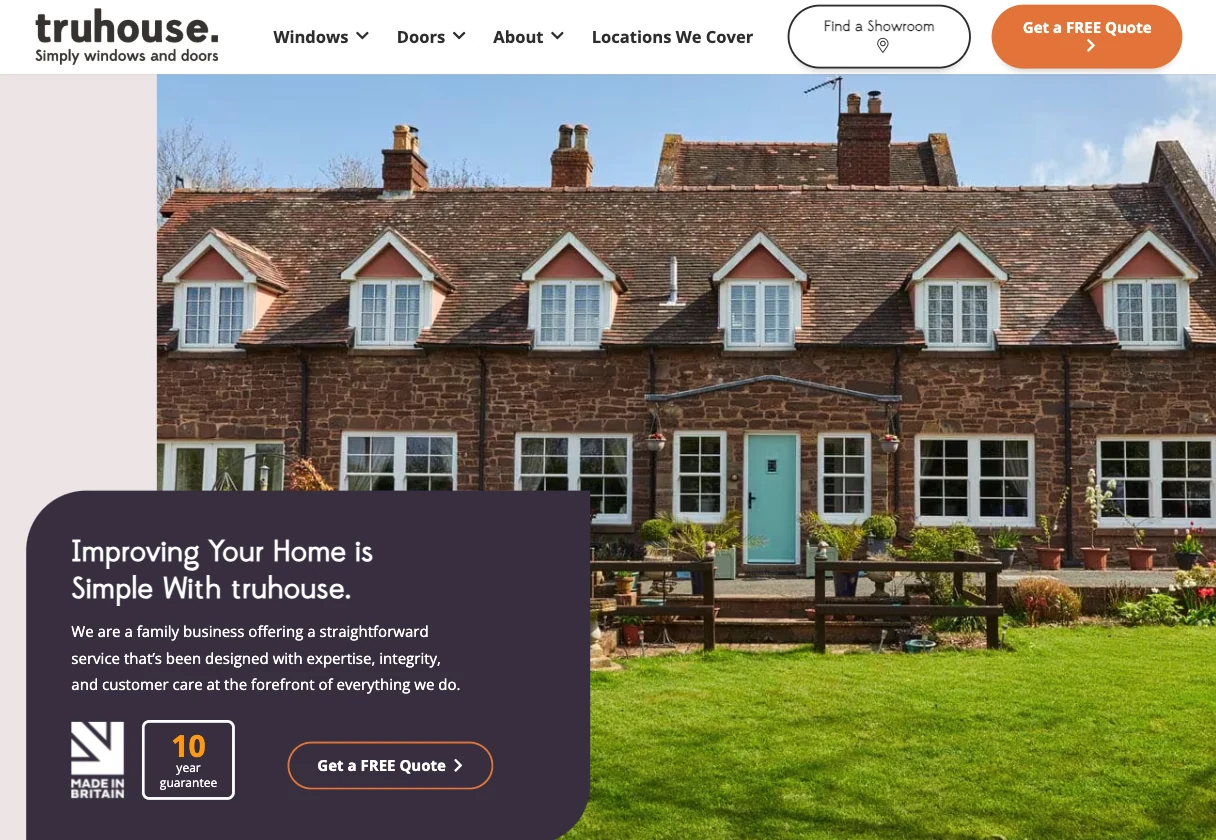
Check out how Truhouse does it. It utilizes an attractive visual to engage web visitors. It guides their attention to the USP section using color and contrast. It communicates key brand differentiators with easy-to-understand badges. Lastly, it encourages prospects to take further action by pointing out they can get a free quote.
Source: truhouse.com
Utilize Interactive Content & UI Features
Though images and videos do a great job of engaging web visitors, there's one content characteristic that can double your conversions — interactivity.
If you want to guarantee that potential customers engage with your business (which is the best way to convince them of the value you offer), consider adding genuinely helpful interactive features to your site's UI.
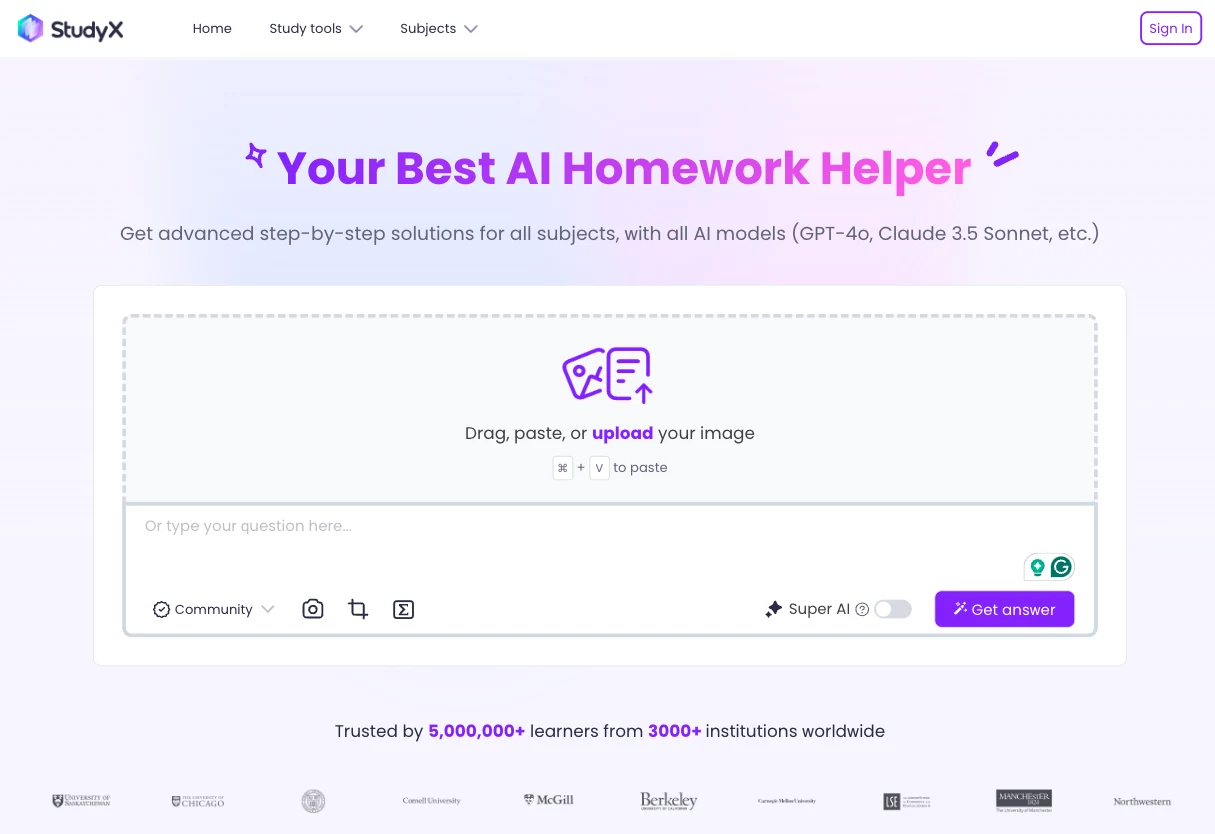
For instance, something similar to the homework helper widget in the topmost section of the StudyX homepage is an excellent way for this brand to immediately engage web visitors and convince them of its solution's effectiveness.
Source: studyx.ai
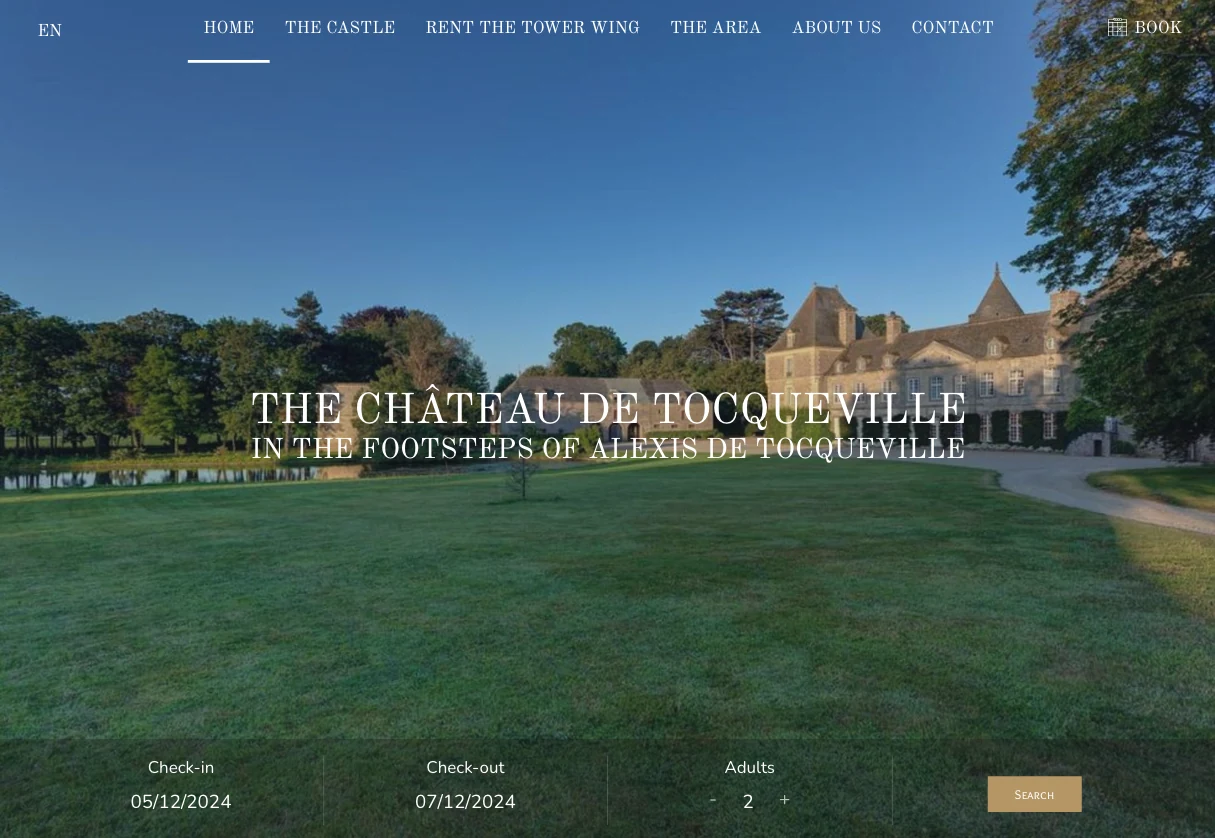
Alternatively, you could do something similar to Château de Tocqueville. This rental business understands how important travel dates are to its potential customers. That's why it enhances the first screenful of its homepage with a functional search function that allows web visitors to see availability and prices as soon as they've landed on the site.
Source: chateaudetocqueville.com
Or, how about if you run an ecommerce brand and offer hundreds (if not more) products in your online store? Something as simple as making your navigation menus attractive and functional can be a great way to encourage users to move through the buyer's journey and explore your offer with ease. This simple hack — which you can see on the Welly homepage — can boost engagement rates and increase your website's conversion potential.
Source: getwelly.com
Maximize Copy Readability
Another common online user behavior you need to consider if you wish to make your website more engaging is that people rarely ever read text word-by-word. Instead, they skim and scan pages, looking for signals that the content is relevant to their experience.
With this in mind, you must optimize your copy for readability — especially when building a mobile-friendly browsing experience.
In addition to using short sentences and paragraphs and avoiding jargon that could alienate your non-expert prospects, explore additional tactics to make your content more effective at getting your message across.
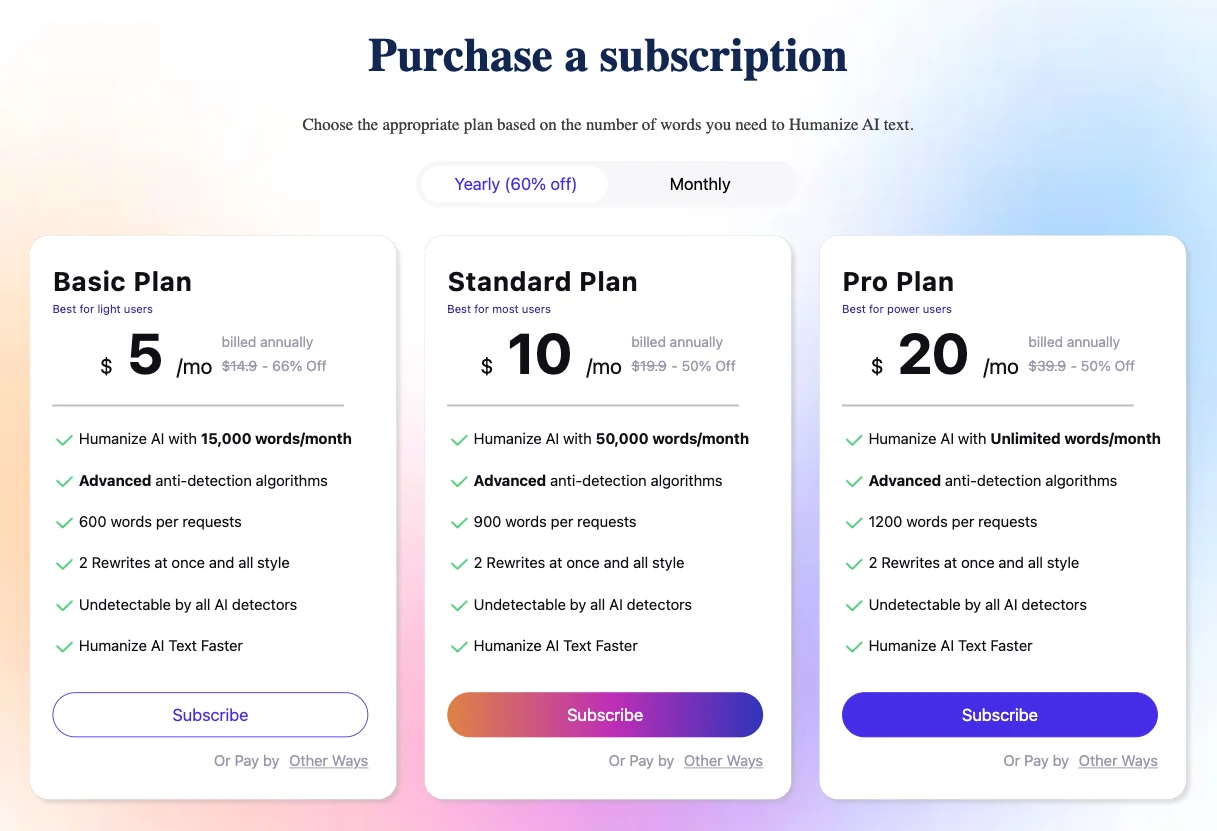
For example, something as simple as using color, contrast, and formatting to highlight key benefits can be an easy way to ensure web visitors instantly discover the value of your offer. Take a look at how Humanize AI did it in the "Purchase a subscription" section of its homepage:
Source: aihumanize.io
Employ Storytelling and Emotional Marketing Strategies
While simplicity and ease of use hugely contribute to engagement rates, you must remember that your potential customers aren't robots. Instead, they're humans looking to do business with human brands that care about their experience.
One excellent tactic to humanize your business — make it more likable and relatable — is to employ storytelling or emotional marketing.
For example, you can use video to address a pain point experienced by your audience and then demonstrate how your product solves it. This can be an excellent way to add context to your value propositions.
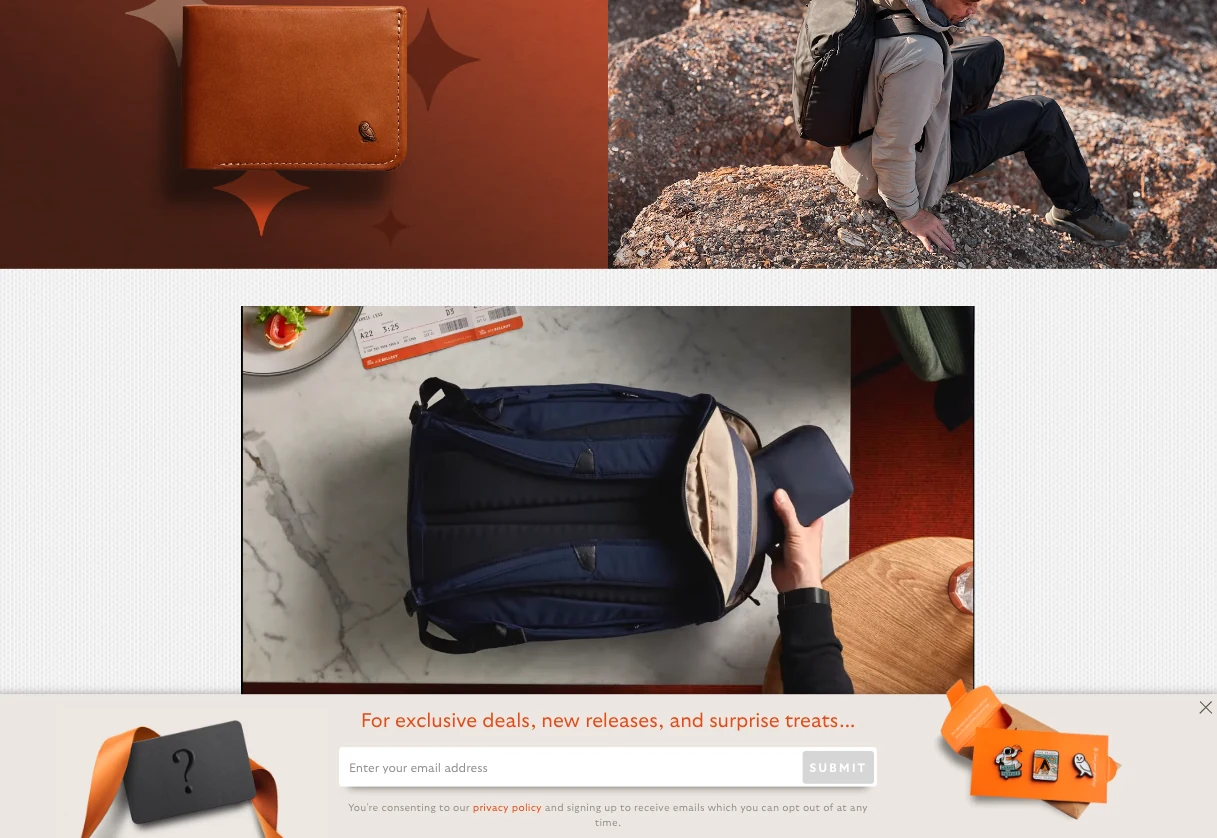
Bellroy does it splendidly on its homepage, using video to show the difference its products make for travelers. The stop-motion format is not only fun but also effective at showing off all the product features that make Bellroy stand out. It engages visitors and nudges them closer to the bottom of the sales funnel.
Source: bellroy.com
Additionally, when looking for website design tips that will help you grab and retain your audience's attention, remember that most people don't make buying decisions strategically. Instead, 95% of purchases are made impulsively or emotionally, signaling that emotional marketing could be a great way to get people to interact with your brand.
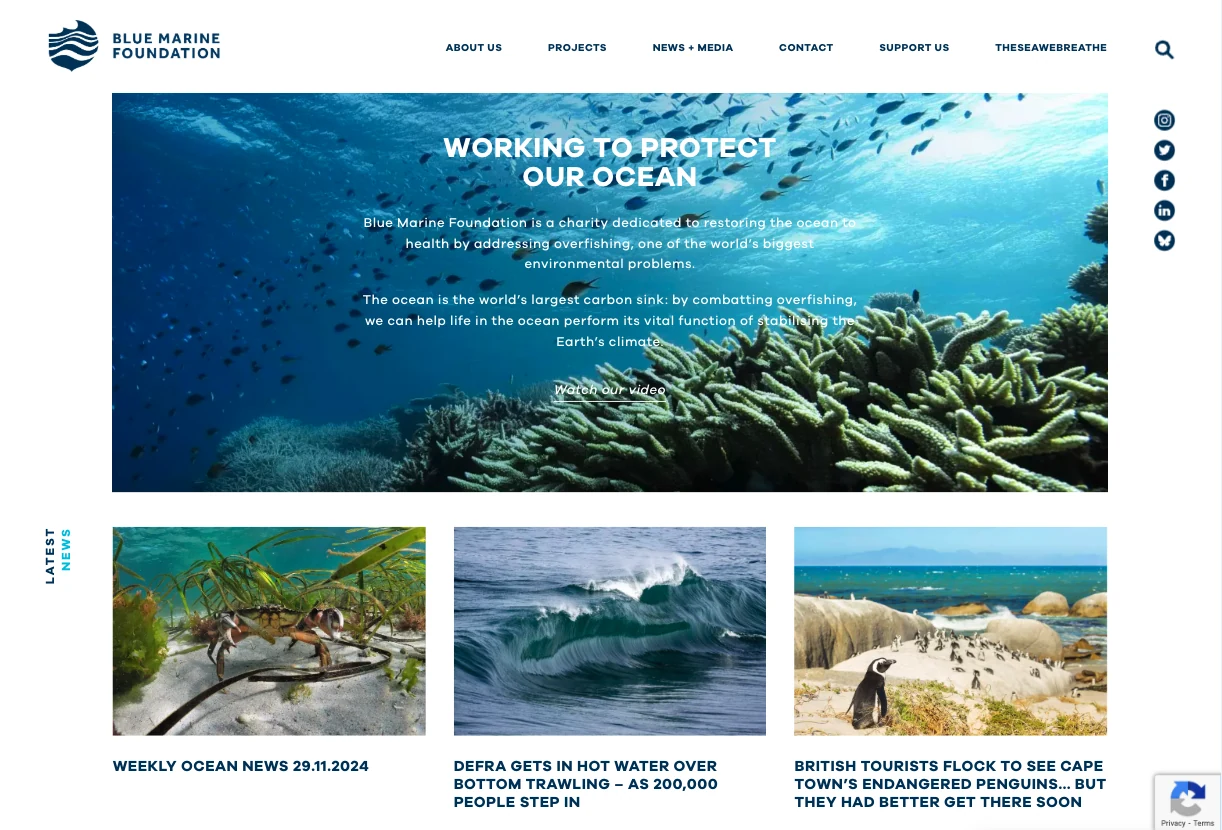
For example, something as simple as using your homepage to showcase emotional content pieces — like the article about Cape Town's endangered penguins on the Blue Marine Foundation — can be a great way to get people to take a deeper dive into what your brand has to say and to maximize their chances of converting.
Source: bluemarinefoundation.com
Let Your Brand's Personality Shine Through
In addition to using website design strategies to evoke emotions and build connections with your prospects, it's also not a bad idea to highlight your brand's authenticity by letting your personality shine through.
After all, consumers don't care about generic brands. They feel most connected to (and engage with) unique businesses that aren't afraid to go against the grain. Think about brands like Apple, Tesla, or Patagonia, which all broke the molds of their industries, challenged common practices, and established their revolutionary products as the go-tos in their niches.
Of course, achieving similar goals will take a while. However, you can get a head start by using your brand personality to engage your target audience and encourage potential prospects to become genuinely invested in what your business does.
One way to do this is to simply tell your story. Somewhere, for instance, uses video to share the why and how behind its mission, which is an exceptional way to combine the power of authenticity-boosting content with social proof.
Talent is everywhere. Hire with Somewhere.
Source: somewhere.com
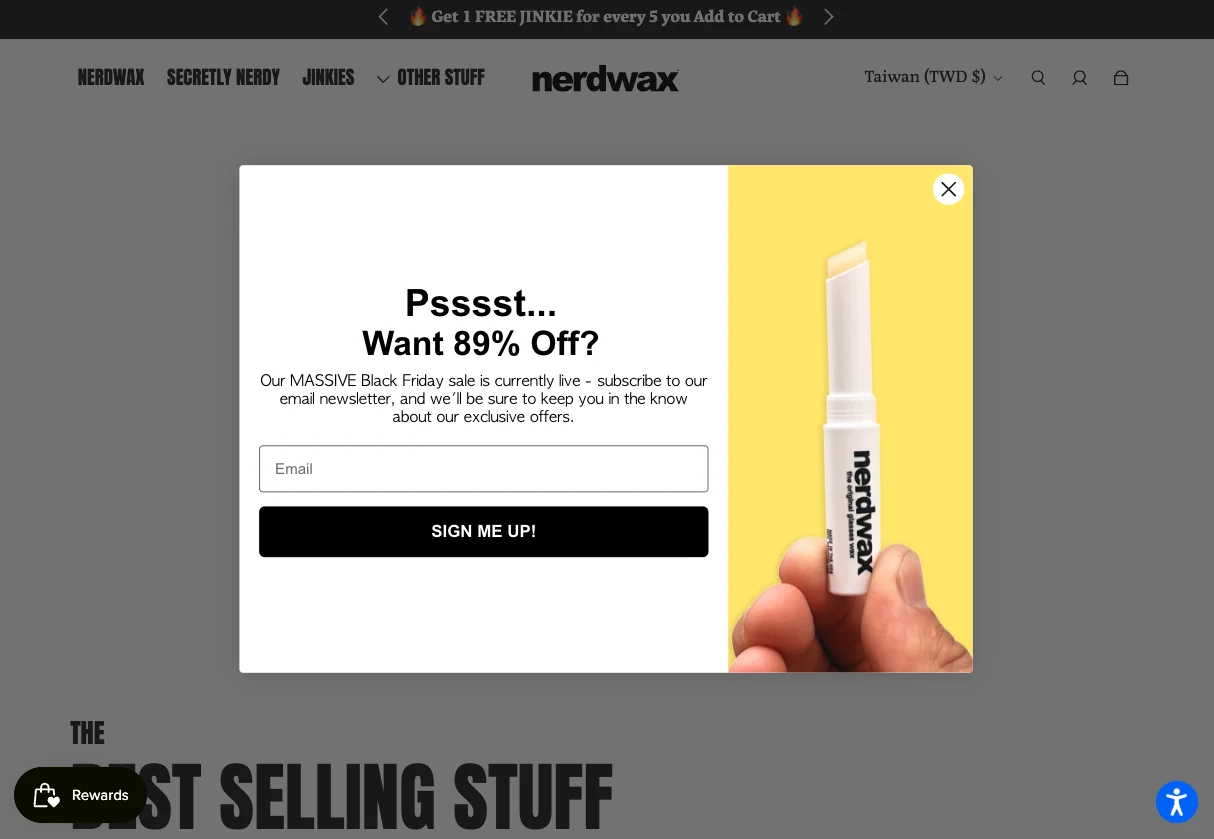
Or check out how Nerdwax does it. It doesn't just base its entire online presentation on the inside joke that being nerdy is fun. It actively uses UI design — like its lead capture elements and navigation menus — to make its branding even more noticeable and to maximize its chances of engaging and converting potential customers.
Source: nerdwax.com
Add a Dose of Personalization
When it comes to elevating website engagement rates, a great approach you can implement is to do your best to meet your prospects' needs.
Research shows that consumers want to support and buy from businesses that are user-oriented. More importantly, most buyers want brands to make them feel special.
If you look at the data from McKinsey, you'll discover that 71% of people expect brands to offer personalized experiences, and 76% become frustrated when that doesn't happen.
With this in mind, explore possible web design tactics that could help you create a browsing experience that speaks to every single web visitor individually.
This can be as simple as adding a location filter to your site's search function — like in this example from CodaPet:
Source: codapet.com
Or, you can give your prospects even more control over how they interact with your site and brand by following in the footsteps of businesses such as Bouqs. This brand actively encourages web visitors to express their creative skills by inviting them to customize their selected bouquets based on multiple factors, including size, color, flower type, or even occasion.
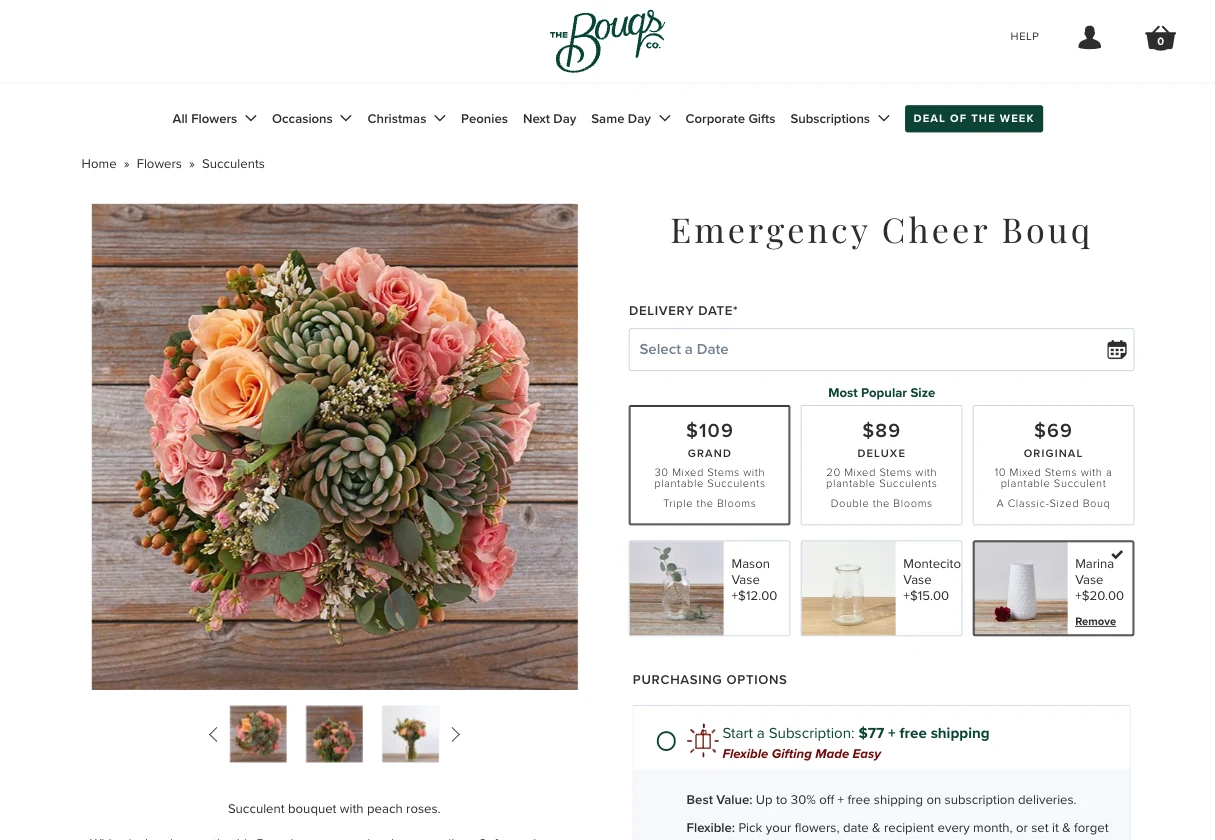
Source: bouqs.com
Meet Your Visitors' Need for Speed
Last but not least, as you explore tips for making your website more engaging, don't forget that technical performance also plays a huge role in your prospects' willingness to interact with your brand.
Research from Google discovered that site speed directly correlates to bounce rates. That is, the longer your page takes to load, the higher the chance that the visit will end in a bounce.
Of course, other factors impact the browsing experience, too. As more than 50% of all web traffic comes from mobile devices, investing in responsive design could be another great way to boost engagement rates. Furthermore, seeing that people are becoming more aware of cybersecurity, ensuring their safety while browsing your website could be another great way to maximize their willingness to interact with your business.
It's also always a good idea to eliminate any intrusive element from your website — especially disruptive pop-ups that block content — as these could hurt user experience, too.
Over to You
Boosting engagement rates on your website can be super simple. However, the only way to make the right web design decisions is to fully understand your target audience, their wants, priorities, and online behaviors.
So, if you decide to implement the tips we've covered, make sure you test their effectiveness. That way, you won't just figure out if they're the right direction for your brand. You might also discover new opportunities to maximize engagement in ways you wouldn't have thought of otherwise.