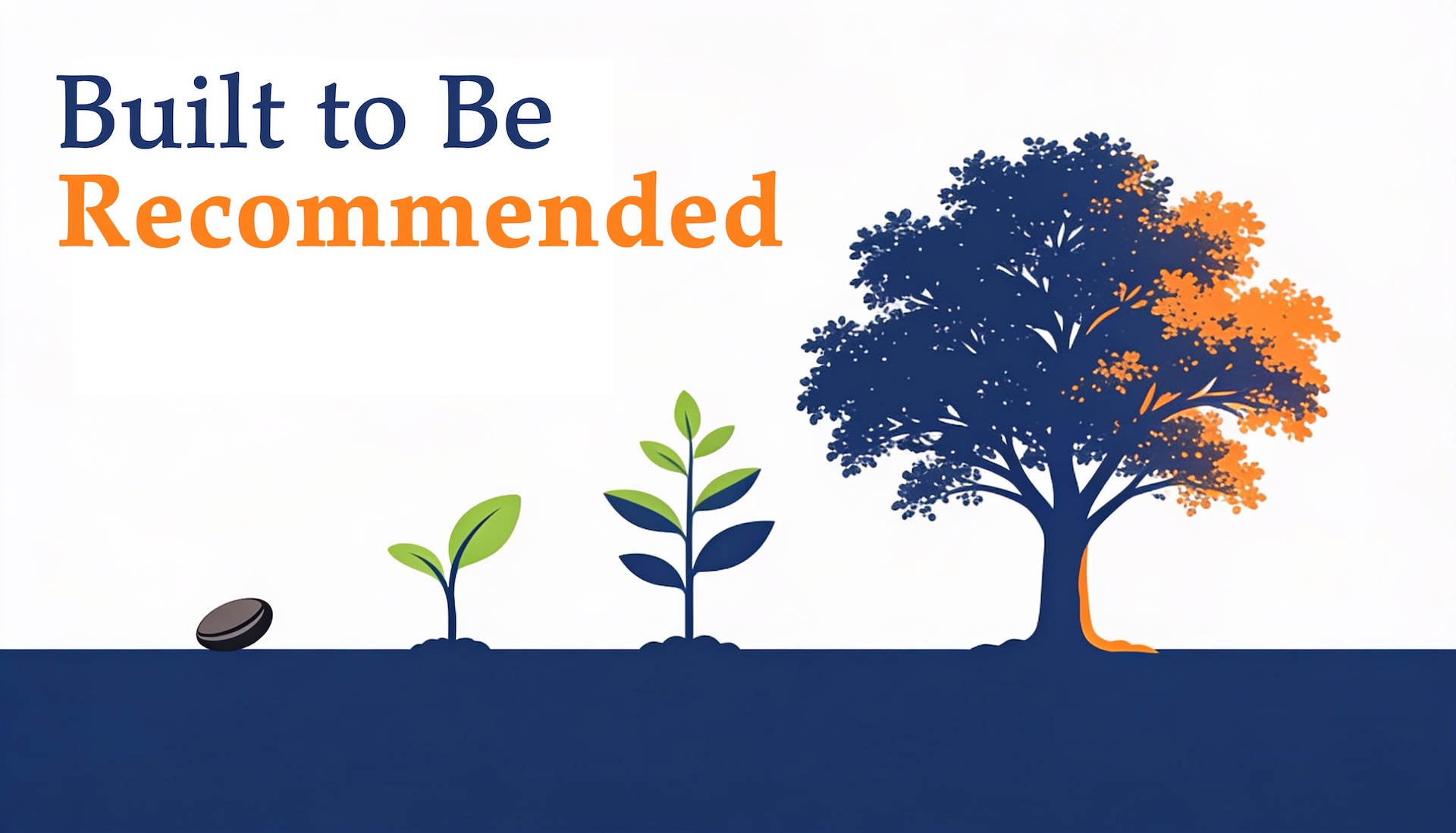
Every few months we start with a new client who wants leads now. That's fair. They're spending money, and they want the phone to ring. But when the plan is organic search, SEO, and content instead of paid ads, the honest answer is that it takes time. Not weeks. Months.
We say this up front, every time. Google takes roughly 60 to 90 days just to notice new content. Local rankings build over many more months after that. Organic is a build, not a switch you flip.
Most clients hear it and still get antsy. That's human. Here's the story of one who pushed through the doubt, and what the other side looks like.
Year One: Building in the Quiet
This home services client came to us with no budget for paid ads. So the plan was organic only. Every month we produced a blog post, two local pages targeting the cities he wanted to win, and ran his social media.
We were candid about the timeline. We even used an analogy from his own industry. This works like pest control bait stations. You place them, and it can be months before you see any activity, then a longer ramp before the real payoff. Organic search is the same. You build, you wait, then it compounds.
Through year one, that waiting was hard on him. He'd check in often, asking why the phone wasn't ringing, why he wasn't ranking yet. One stretch in late summer went quiet, and most of his leads that month came from referrals and repeat customers, not new people finding him. That was exactly the gap we were building to close, and closing it takes time.
He was good-natured about the pushback, and he owned it. But the pressure was real. His new-customer numbers had dropped to a handful a month in the slow season, down from dozens at peak, and he wanted to get back to a steady flow from all sources. When you're staring at a slow month, "trust the process" is a hard thing to hear.
Here's what we were actually building while the phone felt quiet:
- A growing library of local pages, two new cities or areas every month.
- Seasonal blog content matched to what people search through the year.
- A local SEO foundation: his Google Business Profile, a steady stream of reviews, and content tied to the specific towns he wanted.
- Everything mapped to his most valuable services, in order of what made him the most money.
None of that ranks overnight. It has to get indexed, earn trust, and accumulate authority. That's the part you can't rush and can't see while it's happening.
Year Two: The Work Shows Up
By the second year, the picture changed.
New visitors to his site were up sharply, more than triple some prior-year months. Impressions kept setting records. Phone calls tied to search climbed month over month. His average position in local search kept improving, and he holds a 5.0-star rating across well over a hundred reviews, which feeds his local rankings even more.
Most important to him, he's winning the cities he wanted. The map of his rankings shows a strong cluster right around his home base and across his priority markets. There's still an open front. A market to the north where two competitors are ahead of him, and that's the next thing to build. But the core of what he asked for is happening.
The same client who was asking "why isn't this working" a few months earlier now sees the phone ringing more from Google and his website, and he says so.
The Real Shift: From This Month to Five Years Out
The best sign isn't in the numbers. It's in how he thinks now.
In year one, his questions were all about this week. Why isn't the phone ringing? Where are the leads? In year two, he's thinking five years out. He's planning how to grow the business steadily, building it into something bigger and more valuable over time.
He wants to grow his commercial accounts. He's deliberate about growing only as fast as he can staff, after a fast-growth push burned money earlier. And he's handing off recurring marketing tasks to his own team so the system runs without him. That's an owner building a company, not chasing this week's phone calls.
That shift, from panic about the current month to planning for the long haul, is what happens when the organic work starts to pay off. Once you see it compound, you stop treating marketing as a faucet and start treating it as an asset that grows.
What This Means For You
If you're weighing SEO against paid ads, here's the honest tradeoff.
Paid ads buy speed. Turn them on, get leads this week, turn them off, leads stop. There's a real place for that, especially early or in a new market.
Organic buys durability. It's slow to start, it tests your patience, and then it compounds into traffic and leads you don't pay for by the click, plus visibility in the AI answers more people rely on now.
A few things to hold onto if you go the organic route:
- Set the timeline in your own head before you start. Expect 60 to 90 days before Google even notices, and 6 to 12 months before it compounds. If you know that going in, the slow months won't rattle you.
- Watch the leading indicators, not just the phone. Impressions, rankings, and traffic move before the calls do. When those climb, the leads are coming.
- Don't quit in the quiet stretch. The hardest month is usually right before the work starts to show. The clients who pull the plug at month four never see what month ten looks like.
- Treat it as an asset you're building. Every page and every review is a brick. Stop building, and the wall stops growing, but what you've built stays standing.
The clients who win at organic aren't the ones with the biggest budgets. They're the ones who understood the timeline, trusted the build, and stayed the course long enough to see it pay off.