Let's face it: running PPC campaigns for your home service business feels like throwing money into a black hole while crossing your fingers. You know the routine - you set up a campaign, watch your budget disappear faster than a homeowner's patience during an emergency plumbing crisis, and wonder if those clicks are turning into anything besides prettier charts in your Google Ads dashboard.
You're not alone in this digital marketing maze. But unlike that drain your newest technician tried to fix by hitting it with a wrench, this is a problem we can actually solve. Whether you're a plumber tired of paying $50 per click for "emergency leak repair" at 3 AM when your team is sleeping, or an HVAC company wondering why you're getting calls from two counties over, we're about to fix your PPC campaign properly - no duct tape required.
What Makes Home Service PPC Different?
Here's the thing about running PPC for a service area business: it's not like selling products online. You can't just ship your plumber through Amazon Prime. Your campaigns need to account for:
- Geographic service boundaries that change based on service type
- Emergency vs. scheduled service pricing dynamics
- Seasonal demand fluctuations
- Local competition and market rates
- Service capacity and team availability
And if you're managing campaigns for multiple service lines? Well, that's like trying to juggle plungers while riding a unicycle - technically possible, but probably not going to end well without the right approach.
Why Home Service PPC is Different Than Regular PPC (And Why Your Marketing Agency Doesn't Get It)
The "Service Area" Catch-22: Stop Paying for Leads You Can't Service
Remember that time your generic marketing agency set up a campaign targeting the entire metropolitan area because "bigger reach means more leads"? Yeah, that worked about as well as using a garden hose to fix a sewer line.
The Real Cost of Poor Geographic Targeting
Let's break down why targeting too broad an area is the equivalent of setting your money on fire:
- Drive Time vs. Profit Margins
- A $200 service call with a 45-minute drive time isn't profitable
- Each technician has an effective service radius that varies by service type
- Emergency calls have different profitable radius than scheduled maintenance
- The Hidden Costs of Bad Leads
- Every out-of-area call your team handles is a missed opportunity in your core service area
- Phone time spent qualifying bad leads costs real money
- Impact on Google Ads quality score when people bounce after seeing your service area
How to Define Profitable Service Boundaries
Instead of playing pin the tail on the zip code, here's how to actually target your service area:
- Core Service Area Optimization
- Map your most profitable jobs from the last 6 months
- Calculate actual profit margins including drive time
- Define primary and secondary service areas by service type
- Advanced Location Targeting Strategies
- Using radius bidding with graduated bid adjustments
- Zip code targeting based on historical performance
- Neighborhood-level targeting for high-value areas
The Emergency vs. Maintenance Balance: Two Campaigns, Two Strategies
If you're running the same campaign for "emergency pipe burst" and "annual HVAC maintenance," you might as well be using a snow shovel to clean a pool. Here's how to separate and optimize these distinct service types:
Emergency Service Campaign Structure
- Dedicated Emergency Campaign Settings
- 24/7 campaigns with day-parting bid adjustments
- Emergency-specific landing pages with clear response times
- Click-to-call extensions prioritized
- Higher bids during peak emergency hours
- Budget Management
- Separate budget pools for emergency and maintenance
- Dynamic budget allocation based on weather and seasonal factors
- Emergency fund reserve for peak demand periods
Maintenance and Scheduled Services
- Campaign Optimization
- Lower cost-per-click targets
- Broader keyword targeting
- Focus on booking appointments and lead nurturing
- Seasonal service promotional strategies
- Cross-Selling Opportunities
- Maintenance program upsells
- Multi-service bundling
- Preventive service messaging
Setting Up Your PPC Campaign for Success (Without Requiring a Second Mortgage)
Keyword Research That Actually Makes Sense for Service Businesses
Ah yes, the classic 'just bid on best plumber' strategy. Because when someone's toilet is overflowing at midnight, they definitely stop to read reviews about who won 'Best of [City] 2023.' Here's what actually drives emergency calls and scheduled maintenance.
Emergency Service Keywords Worth the Premium
- High-Intent Emergency Terms
- "emergency plumber near me" (Yes, despite the cost)
- "24/7 water leak repair [city]"
- "AC repair now [location]"
- Response-time modifiers ("same day," "immediate," "right now")
- Problem-Specific Emergency Terms
- "burst pipe repair"
- "AC not cooling emergency"
- "furnace won't start"
- "water heater leaking"
Maintenance and Scheduled Service Keywords
- Regular Service Terms
- "annual HVAC maintenance"
- "spring AC tune-up"
- "plumbing inspection"
- Long-tail variations that indicate planning
- Preventive Maintenance Terms
- "HVAC maintenance plan"
- "home plumbing inspection"
- "seasonal maintenance package"
Local Intent Modifiers That Actually Matter
- "[service] in [neighborhood]"
- "[city] [service] company"
- "local [service] near me"
- Geographic terms that match your service area
Negative Keywords to Stop Bleeding Money
Because paying for clicks from DIY enthusiasts is about as useful as a screen door on a submarine:
- "DIY"
- "how to"
- "YouTube"
- "instructions"
- "steps to"
- Parts and supply searches ("parts," "supplies," "equipment")
- Job searches ("jobs," "careers," "hiring")
Budget Planning That Won't Make Your Accountant Cry
Peak vs. Off-Peak Strategy
- Emergency Service Hours
- 200-300% bid adjustments for true emergency hours
- Reduced bids during business hours
- Weekend premium calculations
- Regular Business Hours
- Standard bidding for maintenance terms
- Reduced emergency term bidding
- Focus on scheduled service keywords
Seasonal Budget Framework
- HVAC Focus
- Summer AC emergency reserve
- Winter heating crisis fund
- Shoulder season maintenance push
- Plumbing Allocation
- Winter pipe burst reserve
- Spring cleaning campaign budget
- Year-round emergency minimum
Ad Copy That Gets Clicks (From People Who Can Actually Become Customers)
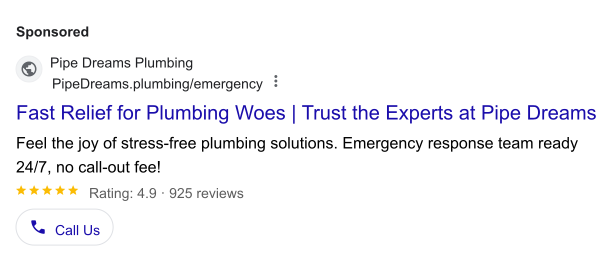
Emergency Response Messaging
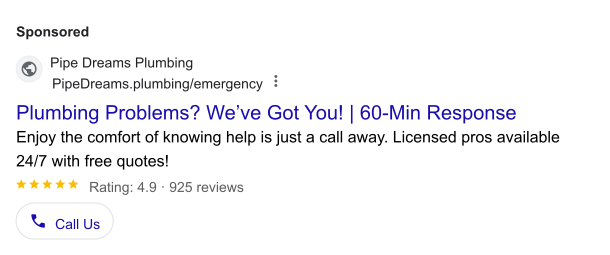
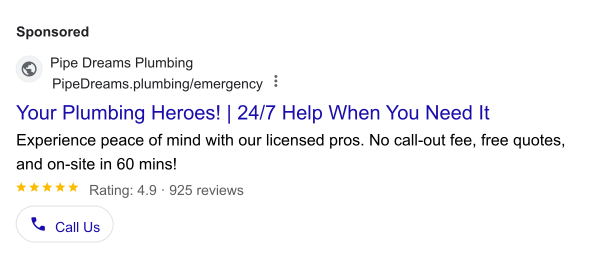
Maintenance Service Messaging
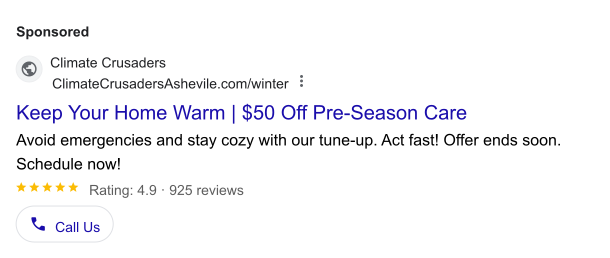


Trust-Building Elements to Include
- License numbers (when applicable)
- Years in business
- Service area specifics
- Response time guarantees
- Emergency availability
- Insurance coverage
Qualification Elements
- Service area in headline
- Minimum job sizes
- Types of services offered
- Business hours
- Emergency response capabilities

Campaign Management and Optimization (Because "Set It and Forget It" is for Rotisserie Chickens, Not PPC)
Tracking What Actually Matters (Not Just Vanity Metrics)
If you're still measuring success by click-through rate alone, you might as well be measuring your plumbing success by how much water ends up on the floor. Here's what actually matters:
Essential Tracking Setup
- Phone Call Tracking
- Call tracking numbers by campaign type
- Call recording for qualification analysis
- Time-of-day call distribution
- Call duration tracking
- Conversion rate by call source
- Form Submission Quality
- Service type categorization
- Location validation
- Job urgency classification
- Budget qualification fields
- Schedule preference tracking
- Emergency vs. Scheduled Service Metrics
- Response time tracking
- Conversion rates by service type
- Cost per booked appointment
- Revenue by lead source
- Customer lifetime value tracking
Real Cost Per Lead Calculations
Because that $50 click isn't so bad if it turns into a $5,000 job:
- Cost per qualified phone call
- Cost per booked appointment
- Cost per completed job
- Revenue per marketing dollar
- Lifetime value per lead source
Testing and Refinement (Or: How to Stop Guessing and Start Knowing)
A/B Testing Priority Matrix
- High Impact Tests
- Emergency response headlines
- Call-to-action variations
- Phone number placement
- Service area callouts
- Pricing mentions vs. no pricing
- Geographic Performance Optimization
- Zip code bid adjustments
- Neighborhood performance analysis
- Drive time impact study
- Service area expansion testing
- Time-Based Optimization
- Hour-by-hour bid automation
- Day-of-week performance
- Emergency hour adjustments
- Seasonal trend adaptation
Advanced Strategies (For When You're Ready to Really Show Off)
Weather-Triggered Campaigns
Because nobody searches for "AC repair" during a blizzard:
- Temperature-based bid adjustments
- Storm preparation campaigns
- Seasonal emergency protocols
- Weather alert integration
Competitor Strategy
No, we're not suggesting you slash their tires, but:
- Branded search campaigns
- Service area overlap analysis
- Competitive price positioning
- Unique selling proposition testing
Local Service Ads Integration
Because showing up three times on Google isn't showing off, it's smart business:
- LSA and PPC budget balance
- Review management strategy
- Category optimization
- Background check prioritization
Google Business Profile Synergy
- Review response management
- Post scheduling strategy
- Service area alignment
- Photo optimization plan
- Q&A monitoring system
Remarketing That Makes Sense for Services (Not Just Following People Around the Internet Like a Digital Stalker)
When to Use It (And When to Skip It)
Let's be honest - remarketing for service businesses is trickier than explaining why that $50 snake rental didn't fix their clog. You're not selling shoes here; you're selling solutions to immediate problems or maintenance they'd rather forget about. Here's how to make it work:
Smart Remarketing Strategies That Actually Work
- Maintenance Program Promotion
- Past customer targeting
- Service anniversary reminders
- Seasonal maintenance offers
- Multi-service package deals
- Seasonal Service Campaigns
- Pre-season tune-up reminders
- Early bird booking discounts
- Weather preparation offers
- System upgrade promotions
- Customer Retention Programs
- Annual service reminders
- Membership program benefits
- Loyalty reward promotions
- Referral program campaigns
When to Skip Remarketing (Because Sometimes Less is More)
- Emergency Service Exclusions
- Don't remarket to emergency queries
- Skip recent emergency service customers
- Avoid high-urgency situations
- Remove crisis-related keywords
- Situation-Based Exclusions
- One-time service completions
- Recently declined quotes
- Out-of-area visitors
- Price-shopping only traffic
Building Your Remarketing Lists (The Smart Way)
Past Customer Segmentation
- Service Type Categories
- Maintenance customers
- One-time service users
- Multi-service clients
- Emergency service recipients
- Value-Based Lists
- High-value customer segments
- Regular maintenance subscribers
- Seasonal service users
- Cross-sell opportunities
Timing and Frequency
- Service-Based Timing
- HVAC: Seasonal preparation (30-60 days before peak season)
- Plumbing: Annual maintenance reminders
- Electrical: Safety inspection intervals
- General: Service anniversary dates
- Frequency Caps
- Maximum weekly impressions
- Time-of-day restrictions
- Seasonal adjustments
- Budget pacing
Measuring Remarketing Success
Key Performance Indicators
- Return Customer Metrics
- Repeat service booking rate
- Maintenance plan conversion rate
- Cross-service adoption
- Customer lifetime value increase
- Campaign Specifics
- List growth rate
- Engagement by segment
- Cost per retained customer
- Revenue from remarketing campaigns
- ROI Calculations
- Customer acquisition cost comparison
- Lifetime value impact
- Service frequency increases
- Referral generation
Integration with Other Marketing Channels
- Email Marketing Sync
- Coordinated messaging
- Frequency management
- Channel preference tracking
- Response rate optimization
- Social Media Alignment
- Custom audience matching
- Platform-specific messaging
- Engagement tracking
- Cross-channel attribution
- Direct Mail Coordination
- Offline/online timing
- Message consistency
- Response tracking
- Budget allocation
Conclusion: Stop Wasting Money and Start Growing Your Service Business
The difference between a PPC campaign that bleeds money and one that generates consistent, qualified leads isn't magic - it's methodology. By now, you should understand:
- Why Generic PPC Doesn't Work for Home Services
- Service area complexity
- Emergency vs. maintenance dynamics
- Local market factors
- Seasonal demand shifts
- Critical Success Factors
- Precise geographic targeting
- Service-specific campaign structure
- Dynamic budget allocation
- Advanced tracking implementation
- Implementation Timeline
- Week 1-2: Account restructure and tracking setup
- Week 3-4: Campaign optimization and testing
- Week 5-8: Performance refinement
- Month 3+: Advanced strategy implementation
Next Steps to PPC Success
- Immediate Actions
- Audit current campaign structure
- Review geographic targeting
- Analyze keyword performance
- Check tracking setup
- Short-Term Optimization
- Implement service area targeting
- Set up conversion tracking
- Create emergency campaigns
- Develop maintenance campaigns
- Long-Term Strategy
- Build remarketing lists
- Develop seasonal strategies
- Create weather triggers
- Establish testing protocols
Ready to Stop Throwing Money Away on Bad PPC?
Look, we both know that managing PPC for a service business is about as fun as explaining to a customer why their "simple" job actually requires replacing half their plumbing. But it doesn't have to be that way.
Contact me for a service area PPC audit that will show you:
- Exactly where your budget is being wasted
- How to target the right customers in your service area
- What your competitors are doing right (and wrong)
- A customized strategy for your specific business
Because at the end of the day, PPC should be bringing you qualified leads, not just making Google richer.