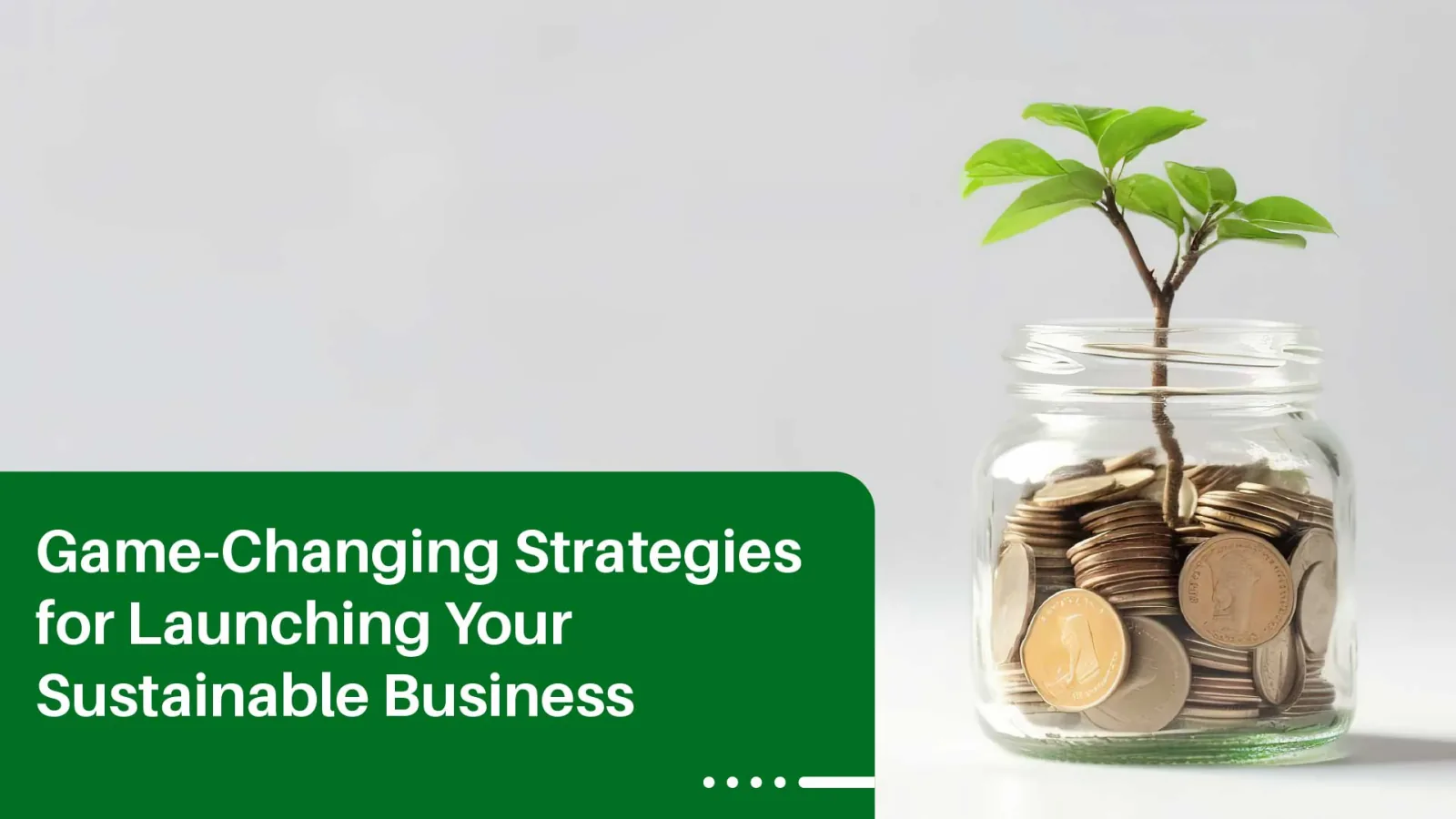
What does it mean to create a green business? There are many different definitions you might consider, including having a business that provides sustainable products or simply being environmentally conscious in your corporate actions. Each has the same outcome, which is to make the world a healthier place for today and in the future.
In today's market, sustainable entrepreneurship isn't just an ethical choice—it's increasingly becoming a smart business strategy. "Companies with strong ESG (Environmental, Social, Governance) profiles outperform their peers by up to 10% on average." (Source: McKinsey)
If you're ready to build a business that's both profitable and planet-friendly, here's your practical roadmap to success.
Understanding the True Cost of Sustainability
Before launching your green business, it's essential to have a clear picture of the investment required and how to balance it with your pricing strategy.
Costs of Ingredients
Whether you are cooking, making soap, or sewing clothes, the most expensive items are the products that you use. For example, if you are in a green restaurant, according to recent studies, organic food items now cost an average of 70% more than their conventional counterparts, with some specialty items like rice and berries commanding premiums of up to 200%. "Organic foods generally cost 20 to 100 percent more than conventionally produced foods." (Source: Consumer Reports) With this data in mind, you may need to charge higher prices and provide clear value for the services and products you provide.
Costs of Products
If you are selling someone else's goods, then expect the more eco-friendly products to come at a higher price to you, even through wholesale. "Sustainable products typically cost 20-50% more than conventional alternatives due to higher quality materials and ethical production methods." (Source: McKinsey) Factor that information into the price of these products to your customers.
The Long-Term ROI of Going Green
While initial costs may be higher, sustainable businesses often see better long-term returns through:
- Customer loyalty: Eco-conscious consumers tend to be more loyal to brands that align with their values
- Operational savings: Energy-efficient practices reduce utility bills over time
- Risk reduction: Sustainable businesses are better protected against future environmental regulations and resource scarcity
Leveraging Eco-Friendly Marketing for Maximum Impact
When you go green in business, you'll target customers who share your values, and that want to also do good for the world. "Nearly 8 in 10 Americans are now sustainability-conscious shoppers, and 60% are willing to change their purchasing habits to reduce environmental impact." (Source: Business Wire)
Effective Green Marketing Channels
There are many different ways to market your business, including:
- Online platforms, like websites (including SEO practices) and digital advertising.
- Social media posts, shares, and networking.
- In-person events, like farmer's markets and networking events.
- Email promotions, including newsletters, coupons, and specials.
Not only are digital marketing strategies effective, but they also support your green efforts. "Digital marketing produces 97% less carbon emissions than traditional print marketing campaigns," said James Smith with Forbes.
Authenticity in Green Marketing
Modern consumers are adept at spotting "greenwashing"—when businesses exaggerate their environmental credentials. To build genuine trust:
- Be transparent about both achievements and challenges in your sustainability journey
- Get specific about your environmental impact with measurable data
- Focus on educating customers rather than just promoting products
- Highlight your certification from recognized eco-friendly organizations (if applicable)
Digitizing Your Business Operations
You can go further and transition your business paperwork to digital filing. Invest in a small scanner or use a smartphone app to digitize all paper documents before shredding and recycling them. Opt in for any paper-free options for bills and statements. Then, you can combine PDF documents with related documents to make organizing your digital records easier. Simply use a free online tool to drop and merge the files in one easy step.
Protecting Your Green Business: Consider an LLC
All businesses need a structure that dictates their business and management style. Many small businesses choose limited liability companies. Here's why:
Liability Protection
Most businesses find that forming an LLC is beneficial since it becomes a separate entity from them as a person. Being a separate entity means that if your business is sued or faces financial hardship, your personal finances will not be held liable.
Taxes
Forming an LLC can come with many tax incentives, including passing profits and losses through the business to the individual members, which can then be reported on their personal tax returns. This pass-through taxation can result in substantial savings for LLC members, allowing them to avoid the double taxation often associated with traditional corporations. Additionally, LLCs don't have to pay federal income tax, which can further reduce the tax burden for members.
Green Business Models That Work
The most successful sustainable businesses typically fall into one of these models:
Circular Economy Businesses
These focus on eliminating waste and continually reusing resources, like companies that transform plastic waste into new products.
Sustainable Product Innovators
Businesses that create eco-friendly alternatives to everyday products, like biodegradable packaging or organic cosmetics.
Green Service Providers
Services that help other businesses or consumers reduce their environmental impact, such as sustainability consultants or eco-friendly cleaning services.
Success Stories: Learning from Green Pioneers
Are you looking for inspiration? As you can see on the Grow Ensemble blog, you can look at plenty of big names to see just how successful going green can be. Patagonia is one of the best examples. This company, which has been in business for around three and a half decades, uses mostly recycled and organic materials and works to support conservation advocates across the globe. Relatively new to business is Pela, a company founded in 2010 to create recycled phone cases to help remove plastics from the ocean.
Small Business Success Stories
While large companies like Patagonia get attention, many small businesses are finding success with sustainability:
- Local zero-waste grocery stores
- Community-supported agriculture (CSA) programs
- Repair cafés and upcycling workshops
- Eco-friendly cleaning services
Planning Your Green Business Budget
Startup Costs to Anticipate
In addition to forming an LLC and spending more money on sustainable products, there are other startup costs that you must factor into your budget. These include research, fundraising, licensing and permitting, equipment, insurance, technology, payroll, inventory, and marketing. "The average small business startup costs range between $30,000 and $40,000 in the first year." (Source: Forbes) Keep in mind that you may pay more for these if you're looking for experts to assist you in creating a more environmentally friendly business.
Funding Sources for Green Businesses
Consider these specialized funding options for sustainable startups:
- Green business grants from government agencies or private foundations
- Eco-focused investors looking specifically for sustainable ventures
- Crowdfunding campaigns that appeal to environmentally conscious consumers
- Green business competitions offering cash prizes and mentorship
Building a Team That Shares Your Values
Your employees can be your greatest sustainability advocates. "Nearly 70% of employees say they're more likely to work for companies with strong environmental policies." (Source: IBM) When hiring:
- Highlight your environmental mission in job descriptions
- Ask about sustainability values during interviews
- Involve team members in green initiatives
- Recognize and reward eco-friendly suggestions
Your Green Business Action Plan
Ready to move forward? Here's a quick checklist to get started:
- Define your green value proposition – What specific environmental problem will your business help solve?
- Research your eco-conscious target market – Understand their needs, preferences, and willingness to pay
- Develop sustainable products or services – Balance quality, environmental impact, and profitability
- Create an authentic marketing strategy – Focus on transparency and education
- Choose the right business structure – Consider an LLC for protection and tax benefits
- Connect with the green business community – Join sustainable business networks and mentorship programs
Follow Your Eco-Friendly Dreams
When you're ready to start your own business, plenty of compelling arguments exist for maintaining environmental awareness in your startup endeavors. Not only are you doing the world good, but you also create a sense of purpose for your employees and customers. To get started, you have to understand the costs, pay close attention to your marketing, and then create a business structure that allows you to keep your personal and professional lives separate. Don't delay; today's your day to become a business owner that's good for both profit and planet.